


Free written scope consultation - allowances, timeline, and change-order rules on paper before a single trade is scheduled
Sterling Home Additions & ADU: The Los Angeles Owner’s Guide
If you’re looking at a failed or failing Sterling home addition or ADU component, you’re likely facing a repair bill anywhere from $53100 to $153400 for full replacement work in Los Angeles, depending on what’s actually broken. We stock and install Sterling-compatible materials and can usually match your existing setup within a few days of the initial walkthrough. Most owners discover the problem the same way: a door that no longer seals, a corner that’s pulling away from the main house, or water showing up where it shouldn’t after a good Southern California rain.
Trevor Nash has walked through enough failing additions in this city to know that what looks like a small crack is often a sign of something structural underneath. We’ll give you the straight picture before any work starts.
Which Sterling Models This Applies To
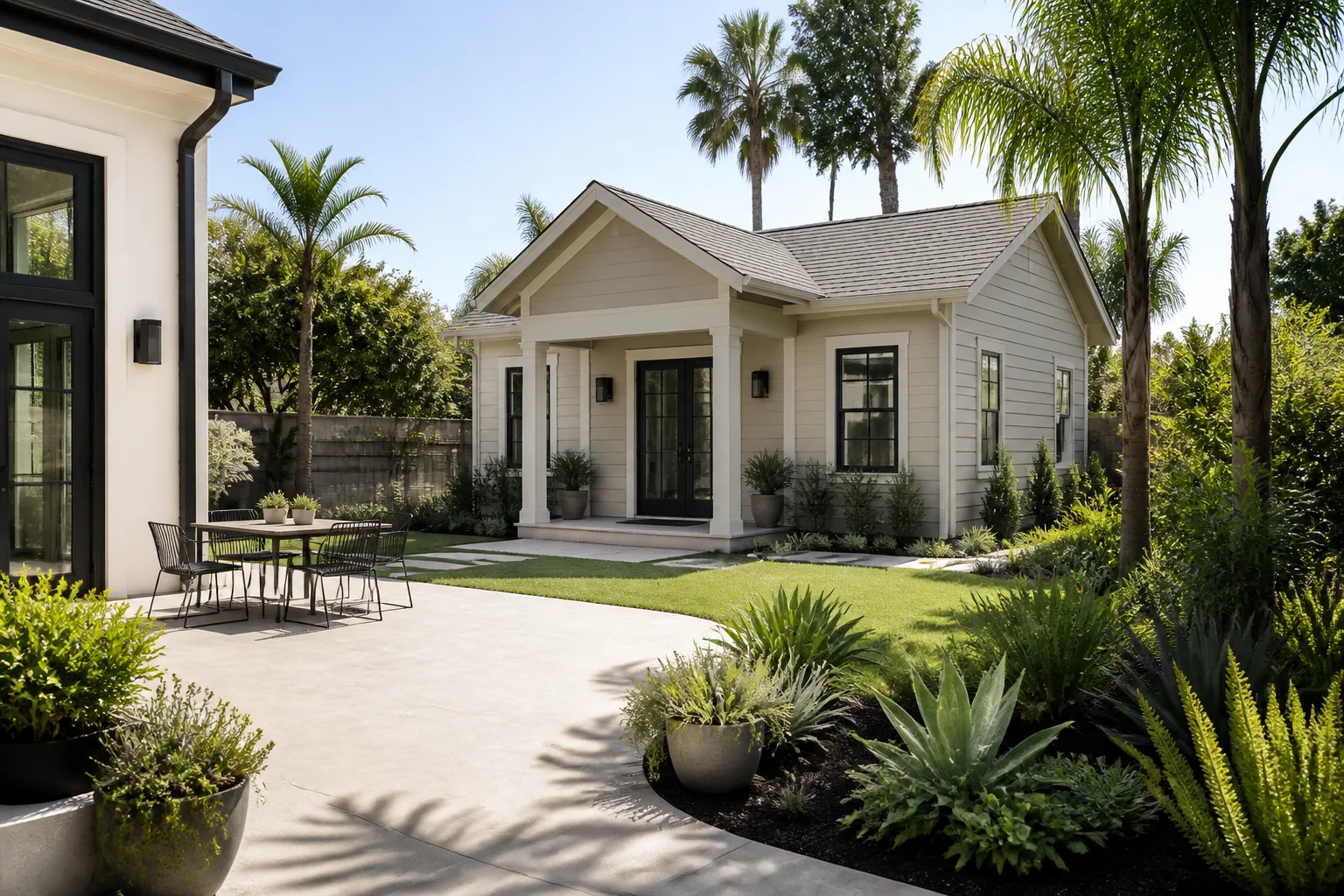
Sterling manufactures modular and prefabricated addition systems, and the compatibility question comes down to what era your unit was built in. Pre-2015 Sterling additions used a 2×4 wall assembly with a specific sill plate anchoring pattern; newer Sterling ADU models moved to a 2×6 assembly with different tie-down spacing. The quickest way to identify yours is to check the aluminum data plate inside the electrical panel or the stamped label on the main beam if you can see it. If the label is gone, we measure the wall thickness and the anchor spacing to determine which generation you’re working with.
One thing we see constantly in Los Angeles: homeowners who buy a generic aftermarket door or window kit assuming it’ll fit a Sterling rough opening, then find the rough opening is 1/2 inch narrower than standard. Sterling has always cut their openings slightly undersized. We keep shims and custom-width options on the truck for this exact reason. For structural components, we recommend OEM Sterling parts because the engineering tolerances matter. For finish items like trim or hardware, a quality aftermarket equivalent is usually fine and often costs less.
Styles & brands we work with







Signs Your Sterling Home Addition or ADU Is Failing
- Separation at the main-house tie-in. You’ll see a vertical crack or a gap where the addition meets the original structure. This usually means the original flashing was installed wrong or has worn through. In Los Angeles, the freeze-thaw cycle isn’t your enemy; it’s the dry summer heat shrinking materials and the winter rains exploiting whatever opened up.
- Doors that stick or won’t latch. A Sterling addition that has shifted slightly will throw every interior door out of square. It’s rarely the door itself; it’s the frame moving because the floor system has settled or the perimeter anchors have loosened.
- Musty smell after rain. Sterling’s older roof-to-wall transition used a particular flashing profile that tends to fail at the corners first. Once water gets behind the siding at that seam, it travels down inside the wall before you ever see a stain on the ceiling.
- Visible sag in the roof line. If you can stand at the street and see the ridge of your addition dip in the middle, the ridge beam has deflected beyond spec. This is a structural red flag, not a cosmetic one.
- Floor bounce in one specific spot. A Sterling floor system that feels solid everywhere except one 3-foot section usually has a failed joist hanger or a water-damaged rim joist. The give is the symptom, not the problem.
See the difference
 Before
 After
After Before
 After
After Before
 After
AfterReplacement Cost & What’s Included

For Los Angeles homeowners, a complete Sterling addition or ADU replacement typically runs $53100 to $153400. The range is wide because a full tear-down-rebuild is entirely different from replacing the failed components while leaving the sound framing in place. What moves the number: whether we’re repairing a wall section or reframing the whole structure, whether the failure involves the foundation or just the framing above it, and which Sterling generation you have because older units often require more custom fabrication to match.
Every job includes a written price before we start, and that number doesn’t change unless you change the scope. We give you a line-by-line breakdown of parts and labor, and every repair carries our 365-Day Done Right Promise in writing. If the fix fails within a year, we come back and make it right at no charge. No service call fee for the return visit.
DIY or Call Us?
You can safely check a few things yourself: look for visible cracks at the tie-in, test each door for smooth operation, and check for soft spots in the floor. That’s information that helps you decide whether you need us at all. What you should not do is pull off siding or open up a wall to diagnose the problem. Once you expose the framing, you’ve changed the structural envelope, and in Los Angeles that can trigger permit requirements you didn’t plan for. If you find water-damaged sheathing or a failed connector, stop and call (213) 277-6578. A failed structural component in an addition is not a YouTube tutorial project.
FAQs
A properly maintained Sterling addition should last 40 to 50 years in Southern California, but the original tie-in flashing and perimeter anchors typically need attention by year 15 to 20. The dry heat accelerates sealant breakdown, and the winter rain finds every gap that heat created. Call (213) 277-6578 if you’re seeing early signs, and we’ll give you an honest assessment of what’s left in your structure.
Most failing Sterling additions can be repaired if the problem is caught early, which is why a $500 inspection call today can save you a $80000 rebuild later. Structural frame damage, foundation movement, or widespread water intrusion to the point of rot usually pushes toward replacement. We’ll tell you which one you’re dealing with, and we put that recommendation in writing.
A targeted repair, like a tie-in reflash or a door reframe, typically takes 2 to 4 days on site. A full replacement of a failing Sterling addition runs 6 to 12 weeks depending on scope and Los Angeles permit timelines. We give you a written schedule before work starts and a defined arrival window for every crew day.
We keep the fast-moving items on the truck: flashing profiles for the common Sterling generations, anchor hardware, and undersized door framing materials. Structural beams and custom-fabricated connectors typically have a 1 to 2 week lead time. When we quote the job, we tell you exactly which parts are in our inventory and which ones are coming from the supplier, so there’s no surprise delay once work starts.
Written by Trevor Nash, Owner, Penhallow Remodeling Los Angeles at Penhallow Remodeling Los Angeles, serving Los Angeles and nearby areas.


