

Free written scope consultation - allowances, timeline, and change-order rules on paper before a single trade is scheduled
Silestone Home Additions & ADU: The Los Angeles Owner’s Guide
If you’re planning a home addition or ADU in Los Angeles and want Silestone countertops or surfaces worked into the design, the installed project typically runs $53,100 – $153,400 depending on square footage, site conditions, and material grade. We stock and install Silestone quartz across LA County, and we’ll give you a written price before any work starts so the number on day one is the number on the invoice. Most owners reach out after realizing their existing countertop or surface material won’t survive the addition’s footprint, or after a previous contractor gave them a verbal estimate that changed once the slab was ordered.
What we see most often is this: a homeowner starts an ADU project with one contractor, the Silestone gets specified, and then either the price balloons or the contractor stops answering. Trevor Nash started Penhallow Remodeling because he got tired of hearing that exact story from homeowners across the Basin. We set the Silestone scope early, price it in writing, and install it to a standard that holds up.
Which Silestone Models This Applies To

Silestone isn’t a single product line. The brand covers multiple quartz series – Eternal, Loft, Sunlit Days, and the standard Classic collection – and within each series you’ll find different slab sizes, thicknesses, and finishes. For home additions and ADU projects in Los Angeles, the two most common thicknesses are 2 cm and 3 cm. The 3 cm material is generally preferred for kitchen islands and heavier-use surfaces; the 2 cm works well on bathroom vanities and laundry surfaces where there’s more flexibility on edge profile.
One compatibility gotcha we flag for every LA homeowner: Silestone’s polished finish is not the same as its Suede or Volcano textured finishes, and the edge profile you choose affects how the slab reads against new drywall or tile transitions. If you’re matching an existing Silestone surface in the main house to a new one in the ADU, the dye lot may not match exactly – quartz batches shift slightly, and a surface installed five years ago will not be a perfect twin to today’s slab. We handle this by ordering all Silestone for a project in one purchase order when possible, so the kitchen island, ADU vanity, and laundry counter all come from the same production run.
Penhallow Remodeling Los Angeles is an independent general contractor. We are not affiliated with Silestone or its parent company – we simply specify and install their material because it carries consistent quality and a strong warranty alongside our own guarantees.
Styles & brands we work with







Signs Your Silestone Home Additions & ADU Plan Needs Reworking
- The slab cracks at the sink or cooktop cutout. This is the most common failure we see in LA kitchens and ADUs. The cutout leaves a narrow band of quartz in front and behind the opening, and if the cabinet below isn’t shimmed level, the slab flexes and eventually cracks. We fix this by re-shimming the cabinet deck, adding steel support bars under the cutout, and confirming the substrate is dead flat before laying the Silestone.
- The seam opens up. Quartz expands and contracts with temperature swings, and LA’s hot summers combined with air-conditioned interiors can stress a seam. When we install Silestone, we use color-matched epoxy seam adhesive and leave expansion joints at the walls so the slab has room to move. A seam that opens more than the thickness of a credit card needs professional attention.
- Staining that won’t lift. Silestone is highly stain-resistant but not stain-proof. Red wine, turmeric, and oil that sit on the surface for hours can leave marks, especially on lighter colors. The fix depends on the finish; polished surfaces respond to a quartz-safe cleaner, while Suede and textured finishes sometimes need a professional re-honing.
- Chipped edges from the demo or framing crew. When a home addition runs alongside existing surfaces, chipped edges happen. We tell every client the same thing Trevor says during walkthroughs: protect the slab before the framing crew arrives, not after. We use temporary plywood caps and edge protection whenever we’re working adjacent to an existing Silestone install.
- The substrate underneath is failing. If the plywood or cement board under your Silestone is water-damaged from a leaking sink or dishwasher, the counter will eventually sag or crack. In LA, where many homes built in the 1950s and 1960s have original sub-floors, we check substrate condition before any Silestone goes down. Replacing the substrate is often the difference between a counter that lasts five years and one that lasts twenty.
See the difference
 Before
 After
After Before
 After
After Before
 After
AfterReplacement Cost & What’s Included
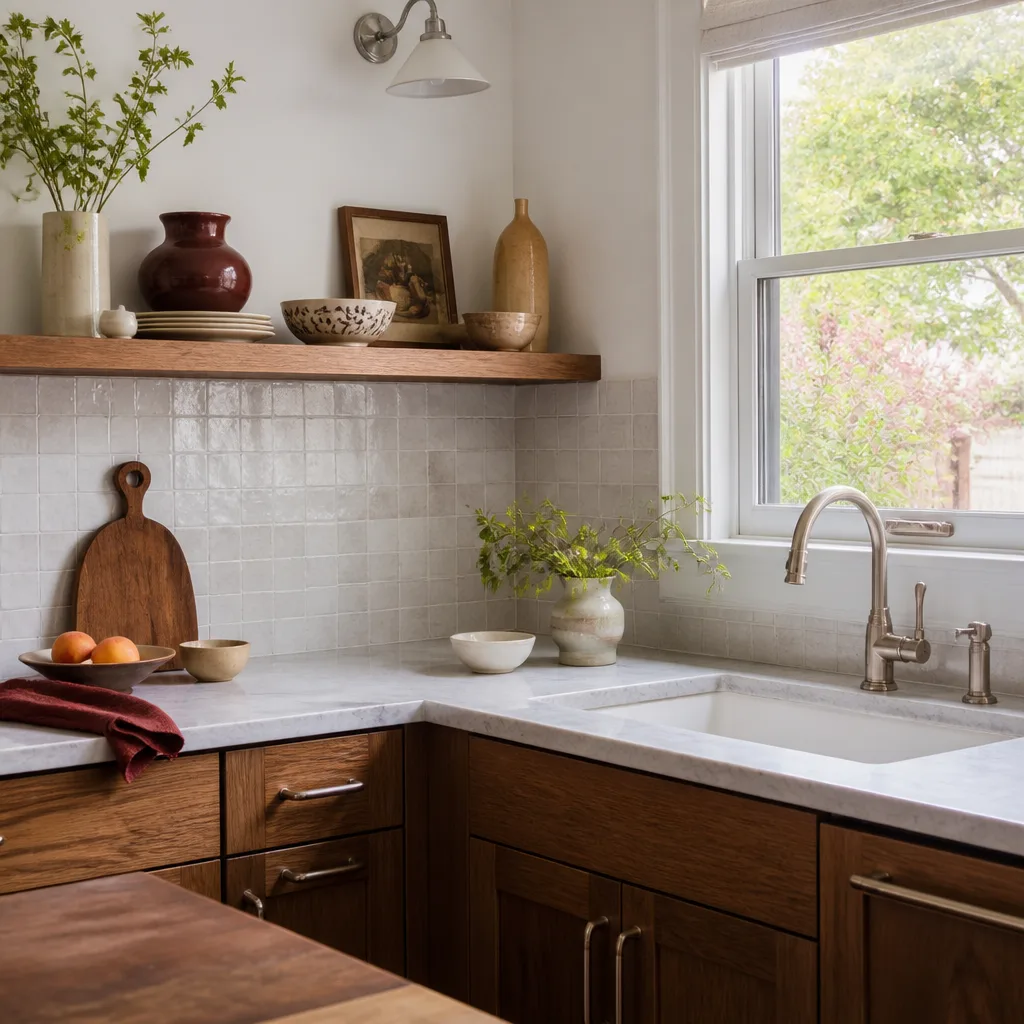
For a home addition or ADU in Los Angeles that includes Silestone surfaces, the full project typically runs $53,100 – $153,400. Within that range, the Silestone portion itself – material, fabrication, and installation – usually lands between $2,360 and $7,670 per surface depending on square footage, slab thickness, edge profile, and whether the slab needs cutouts for sinks or cooktops. What drives the overall number up or down is the size of the addition, whether you’re building over a crawl space or a slab, the framing and electrical work involved, and the grade of finishes you choose throughout.
Every Silestone surface we install in Los Angeles includes template measurements done on-site, professional fabrication, careful installation, and a written 365-Day Done Right Promise. If the work fails inside that period, Penhallow comes back and fixes it at no charge – that’s in writing, not a handshake. We also give you a written price before we order a single slab, so there’s no surprise once the material arrives.
DIY or Call Us?
Here’s our honest take. You should never attempt to move, cut, or install a Silestone slab yourself. Full sheets weigh over 400 pounds, and the fabrication process requires diamond blade tools and proper dust control. Even installing a smaller piece on a vanity can crush fingers, crack the slab, or leave you with an expensive piece of quartz that no longer fits the cabinet.
What you can safely do is measure your space, note the finish and color name from the original Silestone paperwork or the underside label, and take photos of any damage. That helps us quote your project accurately over the phone. For the actual planning, ordering, and installation, call us at (213) 277-6578. We’ll give you a number first, then pick up the tools.
FAQs
Silestone quartz typically lasts 25 years or more in a residential setting, and in Los Angeles the main wear factors are direct sunlight on darker colors and repeated thermal expansion from uninsulated walls. With proper substrate support and professional installation, the surface will outlast the cabinetry beneath it in most cases. Call (213) 277-6578 to schedule a free estimate for your project.
Small chips and edge cracks can often be repaired with color-matched epoxy and look nearly invisible, but a full through-crack at a sink or cooktop cutout usually means replacing the slab. We’ll assess the damage during a free estimate and tell you plainly whether a repair makes sense or a replacement is the smarter long-term call.
For a kitchen or ADU surface, the template visit, fabrication, and installation typically takes 7 to 14 days from template to completion. Larger home addition projects that involve framing, plumbing, and electrical will run longer, and we’ll give you a written timeline before any work begins.
We order Silestone slabs per project from local fabrication and distribution partners in the LA area so the material arrives fresh and undamaged. We also specify other recognized trade brands such as KraftMaid, Cambria, and Kohler where the project calls for them, so you have options across cabinetry, surfaces, and fixtures.
Written by Trevor Nash, Owner, Penhallow Remodeling Los Angeles at Penhallow Remodeling Los Angeles, serving Los Angeles and nearby areas.


