

Free written scope consultation - allowances, timeline, and change-order rules on paper before a single trade is scheduled
Plant Prefab Home Additions & ADU: The Los Angeles Owner’s Guide
Adding a Plant Prefab module to your existing home in Los Angeles typically runs $53,100 – $153,400 installed, depending on square footage, foundation work, utility tie-ins, and which Plant Prefab series you’re expanding. Most owners call us when an existing prefab addition has developed a failing connection point, a sagging roofline at the marriage line, or a door that no longer closes square after years of settling. Trevor Nash grew up in the Crenshaw district watching his uncle patch drywall and re-frame doorways in the bungalows nearby, so he knows exactly what California soil movement does to prefab structures over time. We’re an independent remodeling contractor, not affiliated with Plant Prefab, but we work on their modules regularly across Los Angeles, from the Valley floor to the Westside.
Which Plant Prefab Models This Applies To
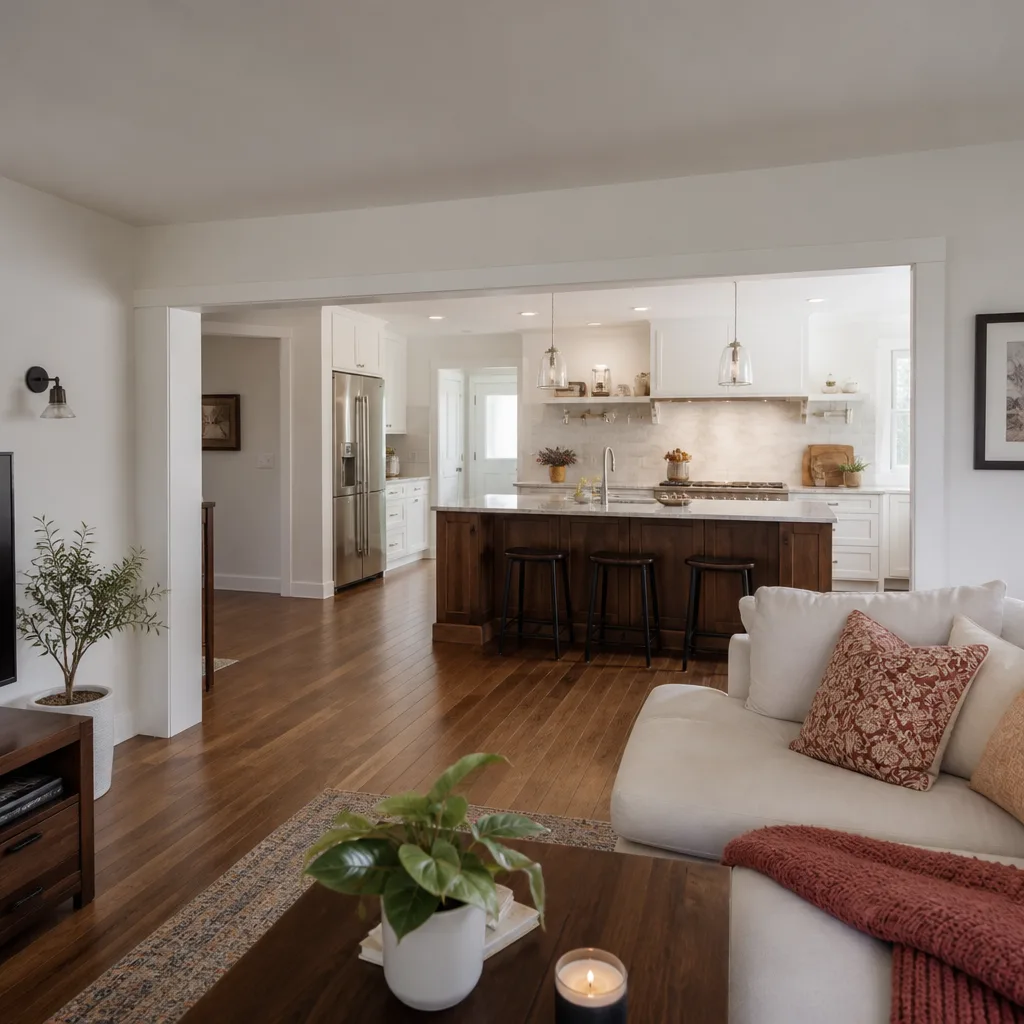
Plant Prefab’s current catalog breaks into a few distinct lines, and the parts you need depend on which one you own. The LivingHome series (models like the C6, C7, and YB1) uses their standard panelized system with factory-built wall, floor, and roof panels that get craned and bolted on site. The ADU line follows the same structural logic but ships in fewer modules, which matters when we’re matching flashing profiles, exterior cladding reveals, and interior trim runs. If you have an older Plant Prefab unit from before their 2020 factory expansion in Rialto, the marriage-line gaskets and sill plate details are different from current production, which affects what we order.
Here’s the compatibility gotcha most owners don’t know: Plant Prefab modules are built to precise panel dimensions, and the wall junction where a new addition meets your existing home is a field-built connection. That means the “part” that fails first is rarely a manufactured component. It’s usually the flashing, the seismic tie-down, or the gasket at that hand-built seam. Before you order anything, check the serial plate on your module (usually mounted inside the mechanical closet or at the main electrical panel). The plate lists the series, the panel configuration code, and the original factory date. Send us a photo and we’ll match the correct flashing profile and tie-down spec to your build year.
Styles & brands we work with







Signs Your Plant Prefab Home Additions & ADU Is Failing
- Doors or windows stick seasonally. Los Angeles has dry summers and wet winters, and the clay-heavy soil in neighborhoods like Mid-Wilshire and Silver Lake expands and contracts. A prefab module sits on a steel or concrete pier system, and if one pier settles, the module shifts just enough to pinch a door frame. That’s a foundation shim and re-level job, not a new door.
- Visible gap at the marriage line. Where the Plant Prefab module meets your original house, you might see a hairline crack opening along the ceiling or wall seam. That’s the field-built connection working loose, and the fix is typically a combination of new fasteners, seam tape, and re-flashing, not just caulk.
- Musty smell in the wall cavity near the connection point. Rains in Los Angeles don’t happen often, but when they do, they can be intense. If the flashing at the roofline junction was nailed instead of properly lapped, water tracks down inside the wall and the first sign is odor before visible staining.
- Exterior cladding pulling away from the module edge. Plant Prefab uses panelized siding systems with specific reveal gaps. When the module settles or the substrate swells, the siding planks can pop their fasteners at the corners near the addition seam. This is a re-fastening and gapping job, and it needs to be caught before moisture gets behind the panel.
- Separation at the roofline intersection. The point where the existing roof ties into the new module’s roofline is a high-stress area. If you see daylight through the fascia gap at the corner of the addition, the structural connection is moving, and it’s time to have a professional check the tie-downs.
Replacement Cost & What’s Included
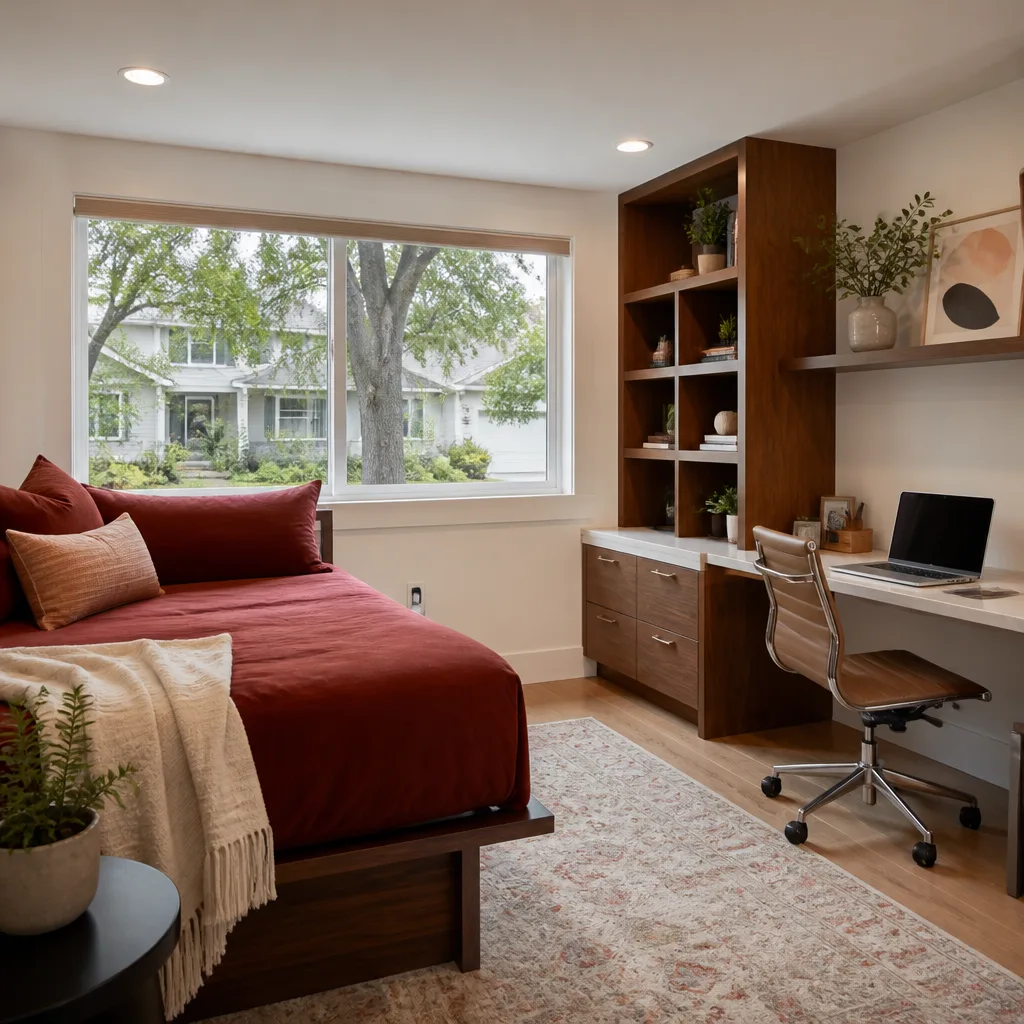
Installation and repair pricing for Plant Prefab home additions and ADUs in Los Angeles falls into a few distinct buckets. A full new addition tied into an existing Plant Prefab module runs $53,100 – $153,400, which includes design coordination, foundation or pier work, module connection, utility tie-ins, drywall, paint, and finish trim at the marriage line. A structural re-connection or re-level (where the module has settled or the seam has opened) typically runs $8,260 – $24,780, depending on how many piers need attention and whether interior drywall repair is needed at the seam. If it’s just flashing replacement and exterior sealing at the roofline junction, you’re looking at $2,360 – $8,260.
What drives the number up: two-story additions, kitchen or bath connections inside the new module, moving electrical panels, and any foundation correction on the existing structure. What drives it down: a single-story bump-out with no plumbing, a slab-on-grade addition in a flat part of the San Fernando Valley, and a clean alignment with the existing module. Every quote includes parts, labor, debris removal, and our 365-Day Done Right Promise in writing. If the marriage line cracks again inside a year, we come back and fix it at no charge.
See the difference
 Before
 After
After Before
 After
After Before
 After
AfterDIY or Call Us?
Some things you can check safely on a prefab addition. You can look at the seam where the module meets your house and note whether the crack is hairline or wider than a quarter inch. You can watch for water staining inside the closet or mechanical room on the module side of the home. You can check that exterior caulk joints around windows are still pliable, not brittle. Those observations help us diagnose over the phone.
What you shouldn’t do is get on a ladder and try to re-flash a roofline junction, or attempt to jack a settled module with a bottle jack from Harbor Freight. Prefab modules are heavy, they bear on specific points, and if you lift the wrong corner you’ll crack drywall, pop fasteners, and create a bigger repair than you started with. Roofline work on a two-story addition needs fall protection and the right fastening schedule. Call us at (213) 277-6578 for a free estimate. Trevor will give you a number first, then pick up the tools.
FAQs
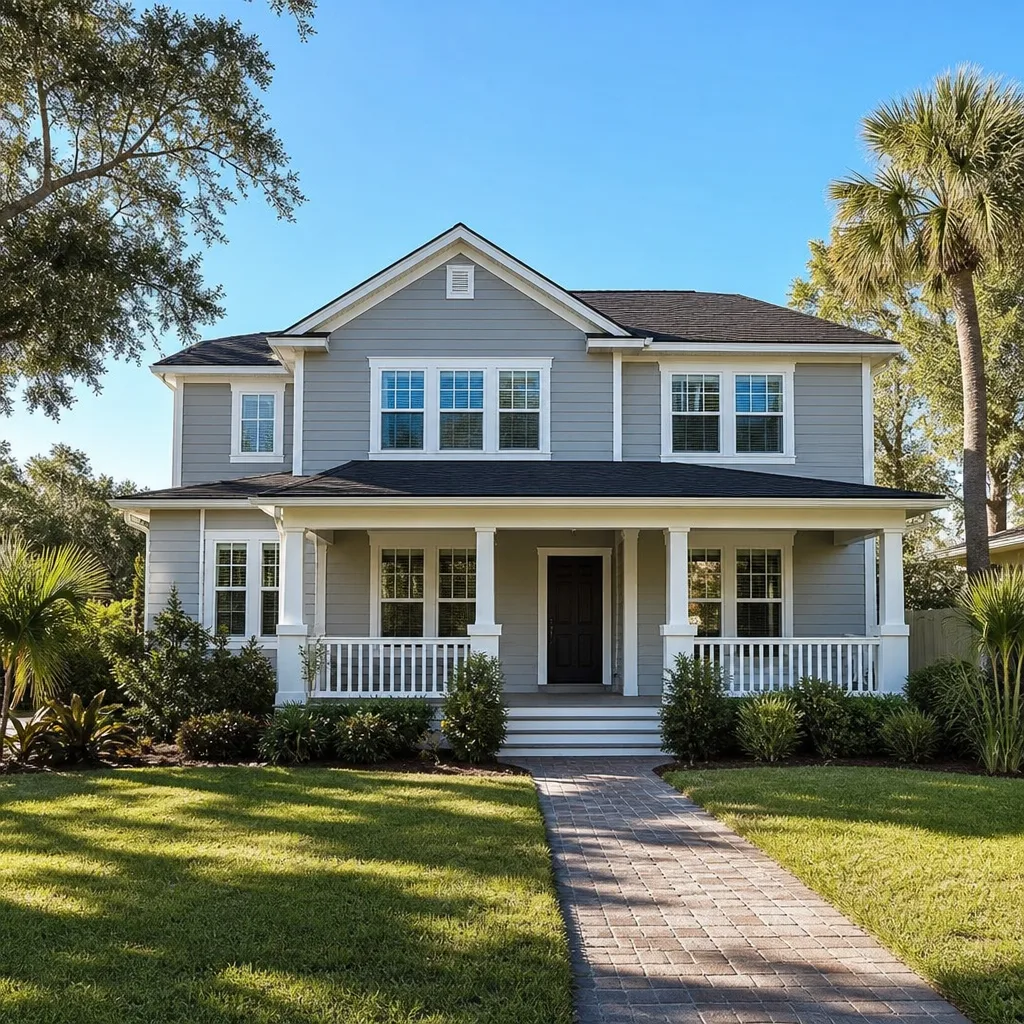
The modules themselves are engineered to outlast conventional framing, and with proper maintenance we see 40 to 60 years of structural life before major component replacement becomes a question. The weak points are the field-built connections and exterior seals, which typically need attention every 8 to 12 years given Los Angeles sun exposure and soil movement. Call (213) 277-6578 for an inspection if your module is past that window.
Almost always, yes. When the marriage line opens or the module settles, we re-level, re-fasten, re-flash, and re-finish the affected area. We don’t recommend replacing an entire Plant Prefab module unless there’s been fire, flood, or significant termite damage to the panel cores. Call (213) 277-6578 and we’ll tell you honestly whether it’s a repair or a rebuild.
A re-level and connection repair at the marriage line typically takes 2 to 4 working days on a single-story addition, including drywall patching and paint matching. A full new addition tied into your existing Plant Prefab module schedules out 8 to 16 weeks depending on Los Angeles permitting timelines and plan check. We pull permits, pass inspections, and stay on the job until the finish trim is installed.
We stock the common field-connection materials on our trucks: flashing profiles, seismic tie-down assemblies, shims, seam gaskets, and exterior caulk systems rated for Los Angeles temperature swings. For module-specific manufactured parts like custom exterior cladding panels that match your Plant Prefab series, we order direct from the supplier or fabricate to spec. Most repairs don’t wait on parts; the materials that fail most often are already on the truck.
Get Your Estimate
If your Plant Prefab home addition or ADU in Los Angeles is showing signs of settlement, separation, or water intrusion, call Penhallow Remodeling Los Angeles at (213) 277-6578. We’ll send a background-checked, uniformed technician to evaluate the connection, measure the module, and give you a written price before any work starts. That written number includes parts, labor, and our 365-Day Done Right Promise. If the repair fails inside the guarantee period, we come back and fix it at no charge. No voicemail maze, no callback window. A real person answers.
Written by Trevor Nash, Owner, Penhallow Remodeling Los Angeles at Penhallow Remodeling Los Angeles, serving Los Angeles and nearby areas.


