



Free written scope consultation - allowances, timeline, and change-order rules on paper before a single trade is scheduled
Cambria Home Additions & ADU: The Los Angeles Owner’s Guide
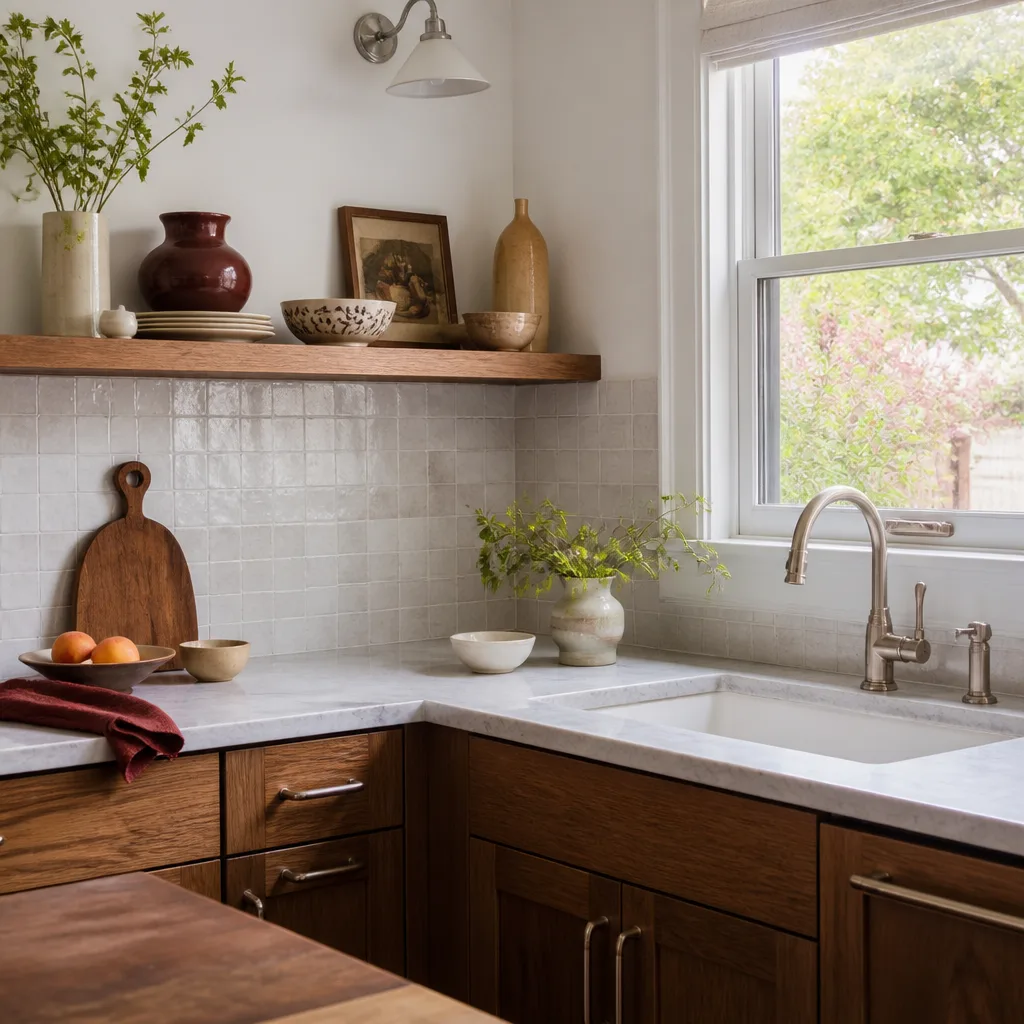
Cambria quartz countertops and surfaces hold up remarkably well across Los Angeles kitchens, bathrooms, and ADU builds, but the materials around them don’t always keep pace. When you’re planning a home addition or accessory dwelling unit that features Cambria surfaces, the common failure points are the substrate, seam work, edge profiles, and the supporting cabinetry beneath the quartz. A Cambria-spec home addition or ADU surface replacement in Los Angeles typically runs $53,100 – $153,400 when framed as a full-scope project, though isolated countertop replacements fall in the $2,360 – $7,670 range depending on square footage and edge detail.
Most owners discover the problem the same way: a hairline crack near the sink cutout, a seam that’s opened up after a thermal cycle, or a counter that’s started to dip where the cabinet underneath has settled. We’ve walked into Los Angeles ADU kitchens where the quartz itself was perfectly fine but the substrate had failed, and that’s a fix that requires knowing exactly how Cambria wants its material supported.
Which Cambria Models This Applies To
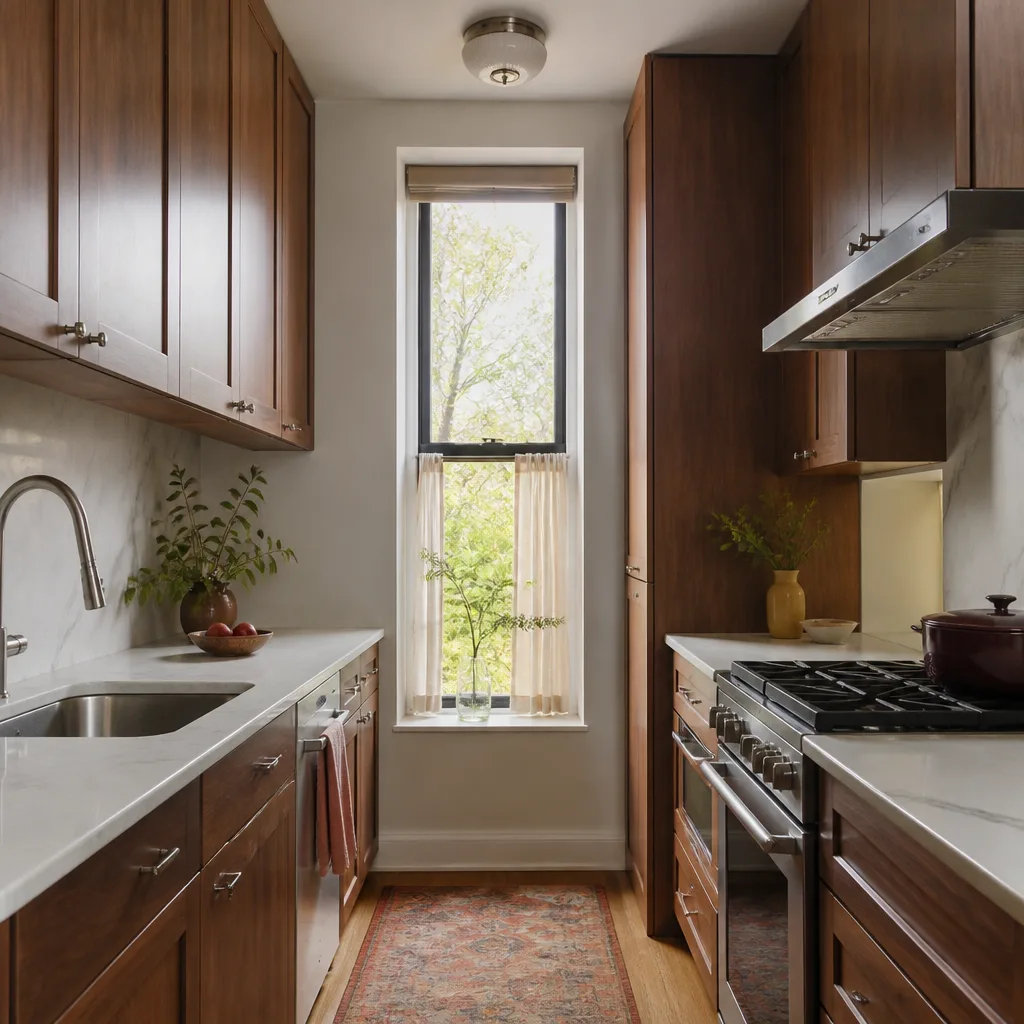
Cambria produces its quartz in a consistent slab format across all design collections, which makes matching easier than it is with natural stone. The design names change, Marlow, Brittanicca, Torquay, Annicca, but the fabrication and installation standards stay the same. What matters for a home addition or ADU isn’t the color name so much as the slab thickness and the edge profile that was cut. Cambria slabs come in 2 cm and 3 cm thicknesses, and that measurement drives everything about how the surface gets supported.
Here’s the compatibility gotcha most Los Angeles homeowners run into: a 3 cm Cambria slab can span modest overhangs without additional support, but a 2 cm slab needs a plywood subtop or it will flex and eventually crack. If the original installer skipped that subtop, which we see regularly in ADU conversions done on tight budgets, the quartz fails prematurely and no amount of seam repair will fix the root cause. When we do the work, we match the Cambria slab to factory fabrication specs and use Cambria-branded adhesive and seam filler, not whatever was on sale at the hardware store. Penhallow Remodeling is an independent Los Angeles contractor, not a Cambria dealer, so we can tell you plainly when a repair makes sense and when the slab needs to come out.
Styles & brands we work with







Signs Your Cambria Home Additions & ADU Surface Is Failing
- Hairline cracking near the sink or cooktop cutout. This almost always points to a missing or undersized subtop, or an over-tightened mounting clip on the cabinet below. The crack rarely starts in the quartz itself; it starts where the support isn’t.
- A seam that’s opened up or feels uneven under your fingernail. Los Angeles swings in temperature and humidity, and seams that were filled with non-Cambria filler expand and contract at a different rate than the quartz. The seam pulls apart within a couple of seasons.
- A counter that dips or bounces when you lean on it. That’s a cabinet or framing issue underneath, common in garage conversions and ADU builds where the floor isn’t perfectly level and the base cabinets were shimmed after the fact.
- Chalking or white haze around the edges. Acidic cleaners, or worse, the wrong sealer, can etch the resin in the quartz surface. Cambria doesn’t need sealing, but some owners treat it like granite and cause the haze themselves.
- Water stains that don’t dry or dark rings around the faucet base. Water is getting under the surface at a cutout and sitting against the substrate. Left alone, the substrate swells, the quartz loses support, and the crack follows soon after.
See the difference
 Before
 After
After Before
 After
After Before
 After
AfterReplacement Cost & What’s Included
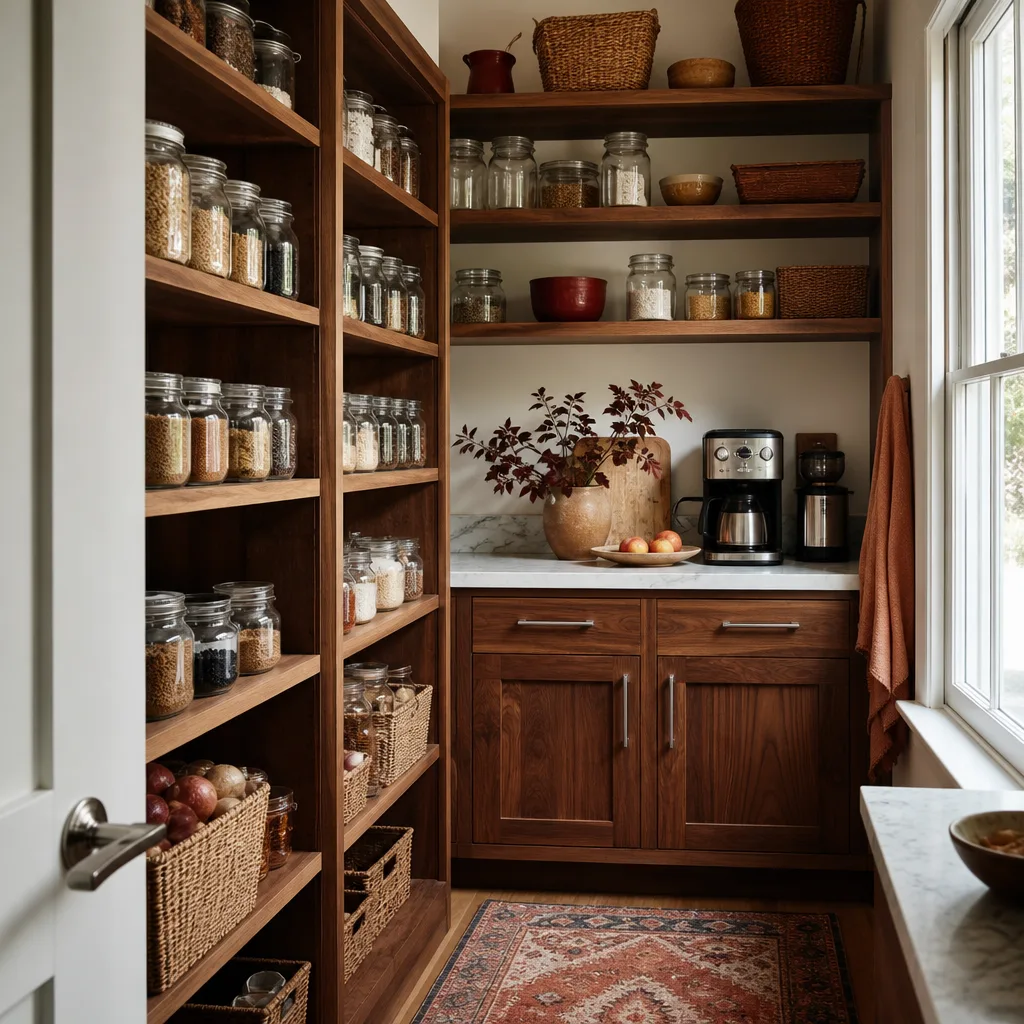
For a Los Angeles home addition or ADU where Cambria surfaces are part of a larger scope, full projects run $53,100 – $153,400. That includes framing out the new space, running the electrical and plumbing, building the cabinet runs that support the Cambria, and fabricating and installing the quartz itself. If the question is purely a Cambria countertop replacement, expect $2,360 – $7,670 for a typical kitchen or ADU counter, and $945 – $2,950 for a backsplash that needs to match the new slab.
What drives the number up or down: slab thickness (3 cm costs more but needs less support), edge profile complexity, seam count, sink cutouts, and whether the existing cabinetry is level enough to reuse. Every Penhallow quote is a written number before any work starts, and it includes the quartz, fabrication, delivery, installation, and our 365-Day Done Right Promise in writing. If the seam opens or the surface shifts inside that year, we come back and fix it at no charge.
DIY or Call Us?
There are things you can check safely: run your hand along every seam to feel for unevenness, look under the overhang with a flashlight to see whether a subtop is present, and watch for bounce when you press down near the dishwasher. None of that requires a tool or puts you at risk.
What you should not do is try to cut, lift, or re-set a Cambria slab yourself. A 3 cm quartz slab weighs roughly 19 pounds per square foot, and a typical kitchen counter piece can run two to four hundred pounds. When it’s clamped wrong or dropped, it shatters, and the edges are sharp enough to send someone to urgent care. Re-seaming quartz also requires a vacuum seam setter and Cambria-compatible color-matched adhesive; if the seam is off by a sixteenth of an inch, you’ll feel it forever. Call us at (213) 277-6578 and we’ll send someone who knows the material.
FAQs
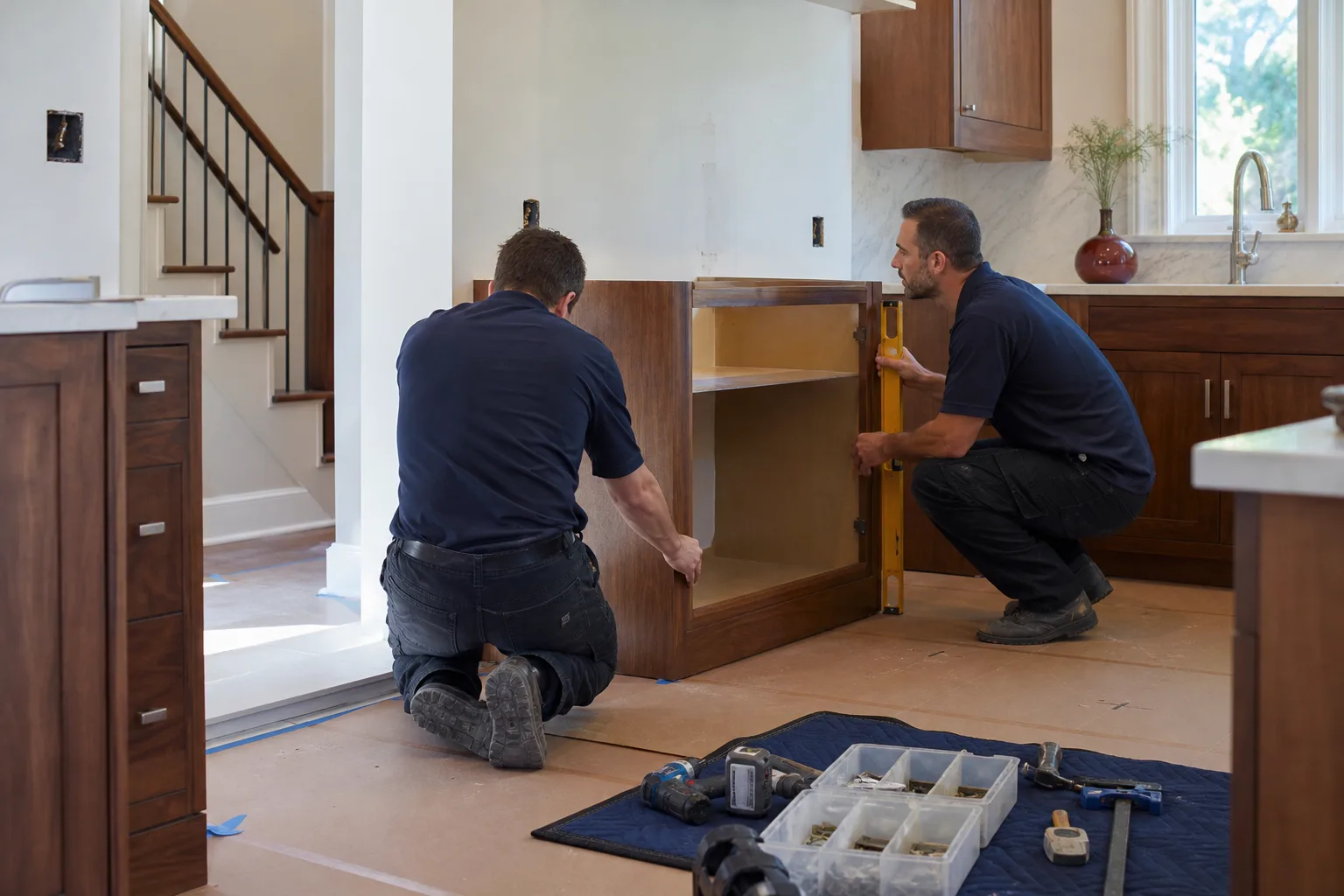
Cambria quartz itself has a lifetime warranty from the manufacturer when installed to spec, and we routinely see slabs in Los Angeles homes that are 15 to 20 years old with no material failure. The parts that fail first are the substrate, the seam filler, and the cabinetry underneath; that’s why our written guarantee covers the full installation, not just the stone.
A crack near a cutout or a failed seam can sometimes be repaired with color-matched Cambria resin, but only if the underlying support problem is fixed first. If the substrate failed or the cabinet settled, patching the quartz without fixing what’s underneath means you’ll get the same crack again in a few months. Call (213) 277-6578 for an honest assessment and a written quote either way.
A countertop-only Cambria job in Los Angeles typically takes one full day for template and removal, then one to two weeks for fabrication, then a single day for install. A larger home addition or ADU build that includes Cambria surfaces runs on its own schedule; we give you a written timeline and arrival windows before the project starts.
We source Cambria slabs through our Los Angeles fabrication partners and inspect them before cutting, so you’re never waiting on a slab that arrives with a color mismatch or transport damage. We also work with KraftMaid, Silestone, and Kohler products when your project calls for matching cabinetry, other surface materials, or fixtures that fit the same space.
If your Cambria surface is showing cracks, seam separation, or sag, or you’re planning a home addition or ADU in Los Angeles and want the quartz done right the first time, call (213) 277-6578. Trevor Nash will give you a number first, then pick up the tools.
Written by Trevor Nash, Owner, Penhallow Remodeling Los Angeles at Penhallow Remodeling Los Angeles, serving Los Angeles and nearby areas.


