


Free written scope consultation - allowances, timeline, and change-order rules on paper before a single trade is scheduled
Caesarstone Home Additions & ADU: The Los Angeles Owner’s Guide
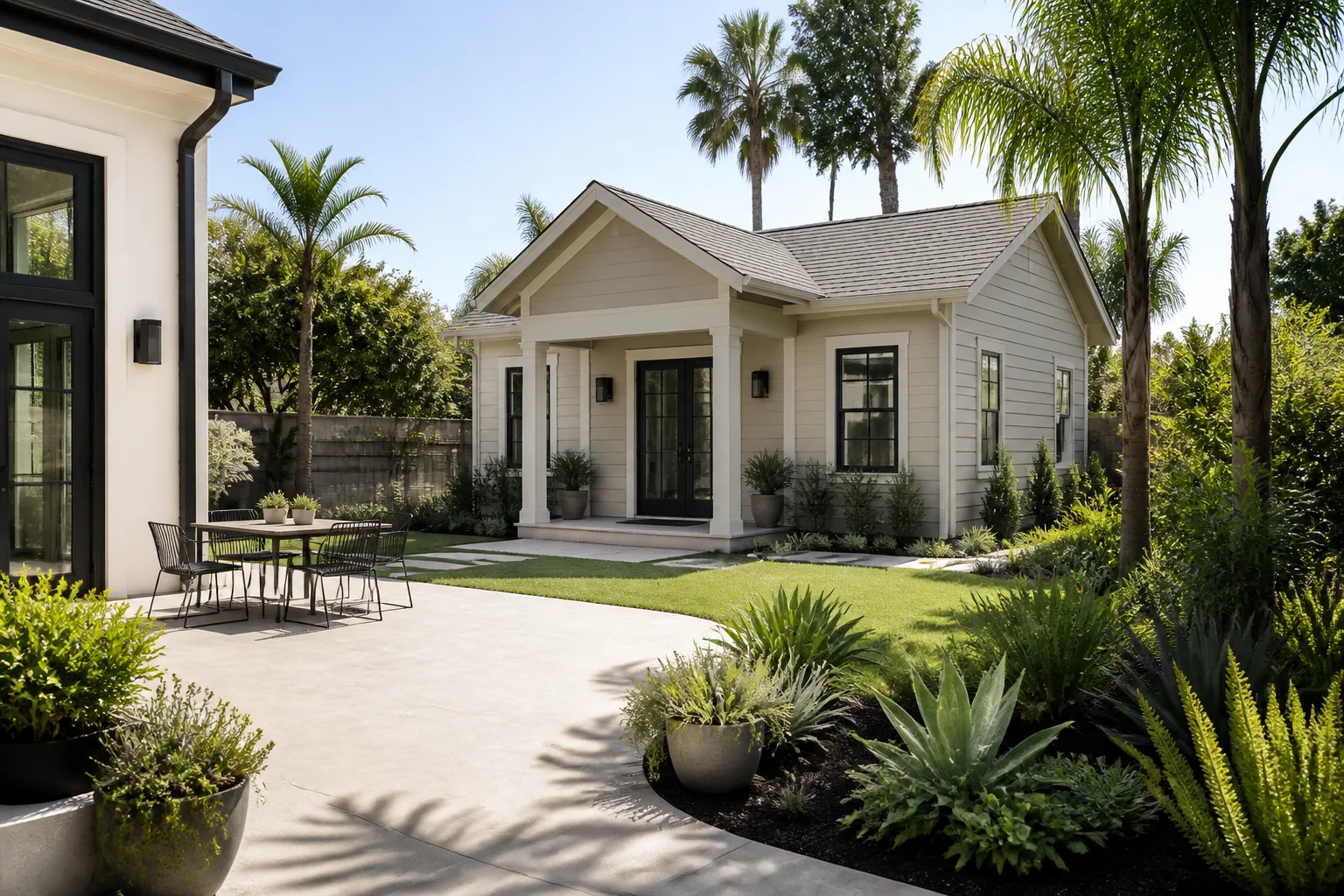
If you’re planning a home addition or ADU in Los Angeles and want Caesarstone countertops in the new space, we install them as part of the full build, typically running $53,100 – $153,400 depending on square footage, foundation work, and finish level. That number includes the Caesarstone slabs, fabricating them to fit your cabinets, and installing them properly over a stable substrate so they don’t crack at the seams six months later. We stock Caesarstone in our Los Angeles shop and can usually have your slabs measured and templated within a week of the addition being framed and dried in.
Most Los Angeles homeowners call us because they’re adding a second unit behind an existing house, converting a garage, or pushing out a kitchen wall and they want the new countertops to match the Caesarstone they already have. Or they bought a slab themselves and the first contractor walked away mid-job. We’ve seen both. The good news is that Caesarstone products are consistent across their line; the challenge in Los Angeles is finding someone who’ll quote the whole addition honestly, Caesarstone included, and not treat the countertop as an afterthought.
Key Takeaways:
- Caesarstone countertops for a home addition or ADU in Los Angeles typically add $2,360 – $7,670 to the project cost depending on slab grade and edge profile.
- The full addition or ADU, finished with Caesarstone, runs $53,100 – $153,400.
- We template, fabricate, and install Caesarstone in-house; we don’t sub it out to a third shop.
- Every job gets a written price before work starts and a 365-day guarantee in writing.
Which Caesarstone Models This Applies To
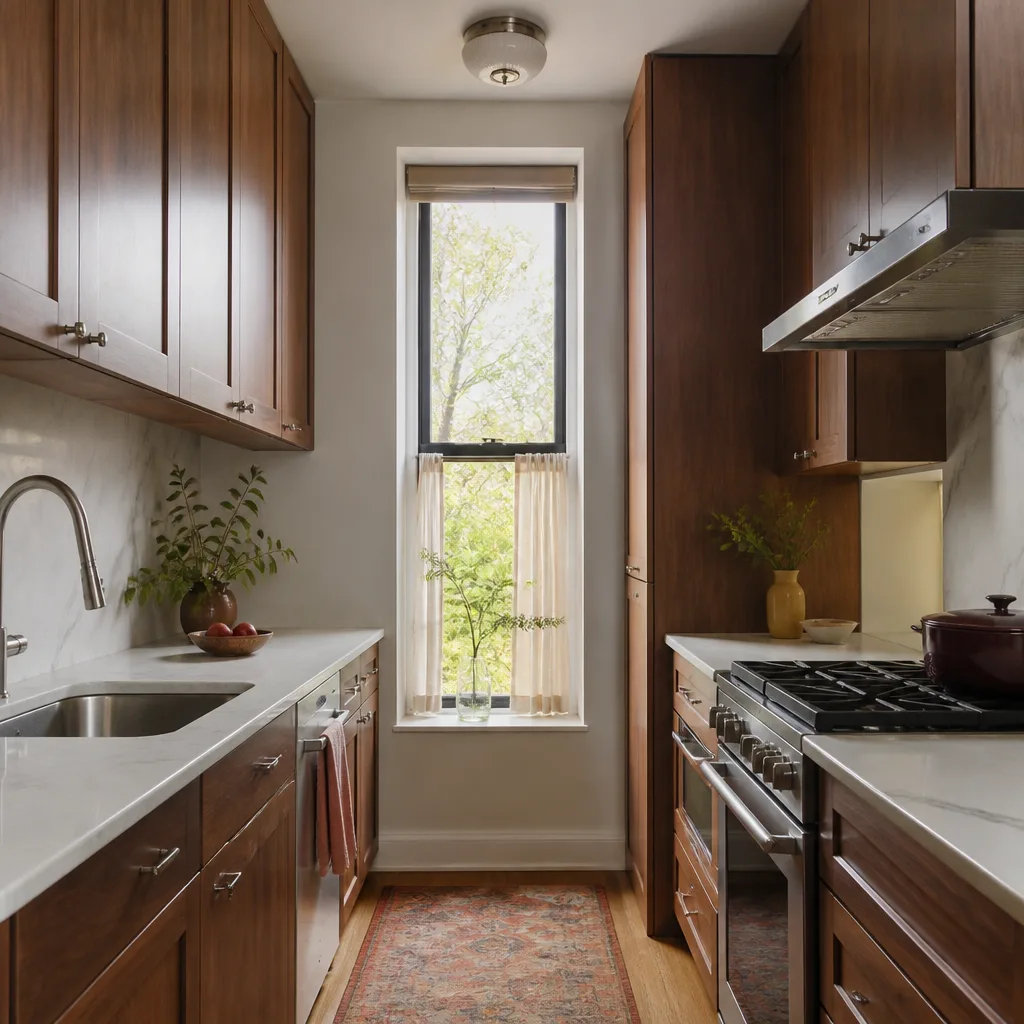
Caesarstone makes its engineered quartz in thicknesses that matter when you’re building an addition or ADU in Los Angeles. The standard slab is 2cm or 3cm, and the series name on your slab matters less than those two numbers. The 3cm slabs (Classico, Supernatural, and most Metropolitan collections) can be installed directly on cabinet boxes without plywood underneath; the 2cm slabs need a support layer or mitered edge buildup to hold their own weight. If a contractor quotes you a 2cm slab for an island overhang more than 10 inches, that’s a red flag, it’ll sag or crack unless it’s engineered correctly.
We install both thicknesses and we’ll tell you where each one makes sense. For a rental ADU kitchen, a 3cm Supernatural or Classico slab holds up better to tenants who aren’t gentle, and it’s easier to repair if someone chips a corner. For a low-traffic addition like a wet bar or a butler’s pantry, a 2cm slab saves you money and looks identical once installed. The OEM versus aftermarket question doesn’t really apply to Caesarstone the way it does to springs or valves, because the slab itself is the product and there’s no generic equivalent that carries the same 15-year limited warranty from Caesarstone. You buy the branded slab or you buy a different quartz entirely.
Compatibility gotcha: Caesarstone’s warranty requires installation by a certified fabricator using approved adhesives and a substrate that meets their specs. If an uncertified installer messes up the seam and the slab fails later, Caesarstone won’t cover it. That’s why we handle the whole build, we’ve installed Caesarstone across Los Angeles for years and we’ve never had a warranty claim denied because the fabrication failed. Our 365-Day Done Right Promise sits on top of the manufacturer’s warranty, so if something’s wrong in the first year, we come back and fix it at no charge.
Styles & brands we work with







Signs Your Caesarstone Home Additions & ADU Is Failing
Caesarstone countertops are quartz, so they don’t rot or stain the way wood or marble does. But when the installation underneath them fails, or when stress builds up along a seam, you’ll see it. Here’s what Los Angeles homeowners usually notice first:
- Cracks at the cooktop or sink cutout. The slab was dropped, the cutout corner wasn’t radiused, or the cabinets underneath settled. Los Angeles soil shifts with wet winters and dry summers, and if your addition’s slab wasn’t pinned right, every corner of that new kitchen moves just enough to stress the stone. A cracked cutout usually means the fabricator didn’t reinforce that section, not that the Caesarstone was defective.
- A seam that keeps opening up. Quartz seams are filled with color-matched epoxy. If yours keeps pulling apart, the two slabs are on cabinets that aren’t level, or the adhesive failed because the area sees too much sun. In Los Angeles, kitchens with big south-facing windows put a lot of thermal stress on seams, and Caesarstone expands and contracts slightly with heat. A properly cut seam can handle it; a tight seam next to a window can’t.
- Chipping along the front edge. Caesarstone counters resist scratches well, but the edge profile takes the hit when someone drops a cast iron pan or slides a stockpot across the front. Most chips are repairable with color-matched filler, but if it keeps chipping in the same spot, the edge overhang is too proud and needs to be re-cut or protected.
- Discoloration or ghosting near a heat source. Quartz is not heatproof. A hot pot right off the stove will scorch it and leave a permanent mark. We see this all the time in Los Angeles rental units where tenants don’t think about it. The fix is a trivet, always, and if the scar is too deep, the section has to be cut out and replaced.
- The slab seems to have “sunk” in the middle. This is a cabinet or substrate problem, not a Caesarstone problem. If there’s a dip between supports, the quartz will eventually flex and crack along that line. The cabinets should be leveled before the slab ever goes down, and we shim and level every box before we template, because you can’t fix a low spot after the stone is set.
See the difference
 Before
 After
After Before
 After
After Before
 After
AfterReplacement Cost & What’s Included
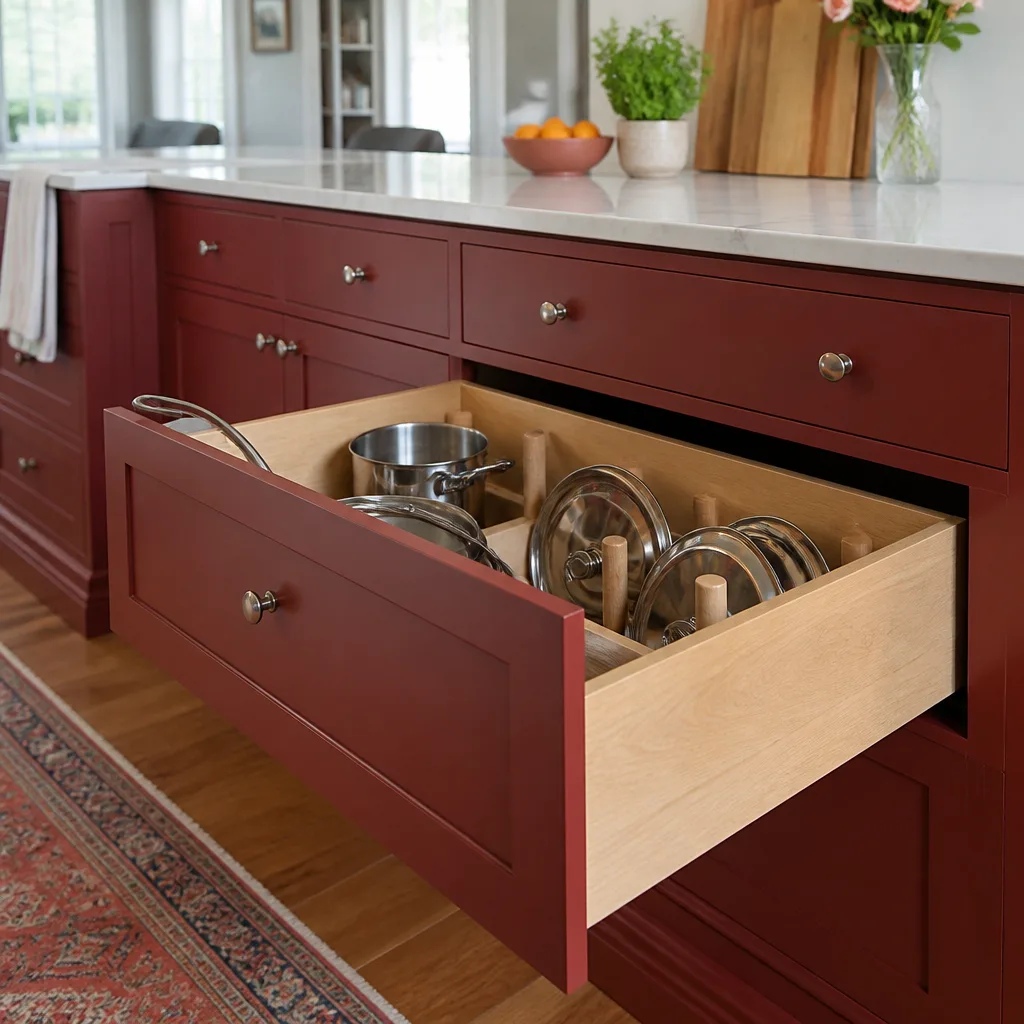
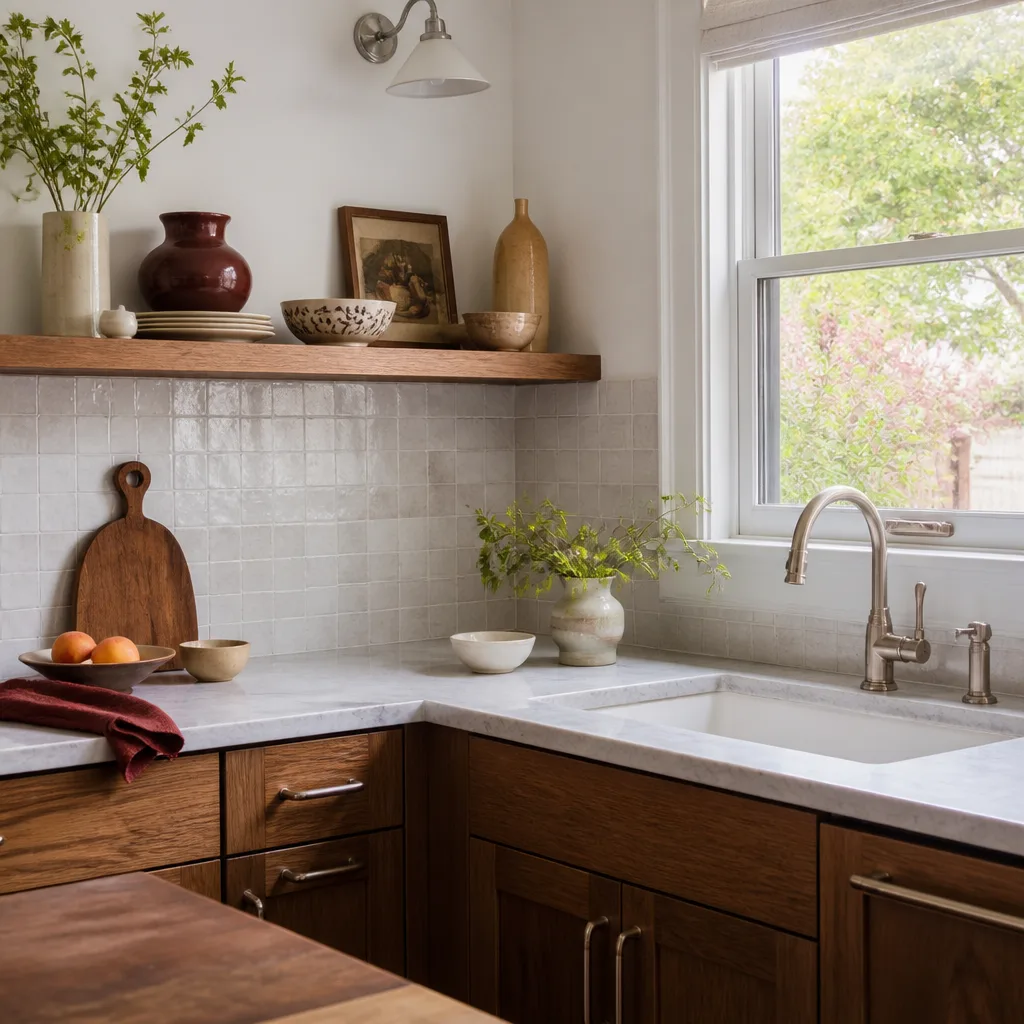
For a home addition or ADU in Los Angeles, the full project with Caesarstone countertops installed runs $53,100 – $153,400. The Caesarstone portion alone, meaning the slab, fabrication, edge profile, and installation, typically adds $2,360 – $7,670 depending on the collection, the number of slabs, and how many seams you have. A standard ADU kitchen with 30 square feet of countertop and a 6-foot island might land around $4,700 – $6,500 for the Caesarstone work; a larger addition with a 10-foot island, waterfall edges, and a backsplash can push $8,000 – $10,000 for the stone alone.
We give you a written price before any demo starts, and that number is the number on the final invoice. No change orders, no “we didn’t account for that” at the end. Every Caesarstone installation includes templating, slab selection, fabrication, delivery, installation, sink and cooktop cutouts, seams as needed, and a written 365-day guarantee. If the slab cracks during installation, it’s our problem. If a seam fails in the first year, we come back and fix it at no charge. That’s the Kingswell standard, and that’s the number Trevor Nash will give you before anyone picks up a tool.
DIY or Call Us?
Installing Caesarstone is not a DIY job, and we’re not going to pretend otherwise. A single 3cm slab weighs close to 200 pounds per 25 square feet, and getting it into an ADU in Los Angeles without chipping a corner or crushing a finger takes three or four people who do it every week. Template it wrong and you’ve ruined a $1,500 slab. Undersize the support and it cracks the first time someone sets a full stockpot on it. The fabricator’s tolerances are in millimeters, and no amount of YouTube confidence changes that.
What you can do safely is check the obvious things before you call us. Look under the sink for water stains around the cutout. Feel along the seams for gapping or movement. Put a level on the counter in three directions. If you’ve got a failing Caesarstone slab in the addition you just built, or you’re planning the addition now and want the countertop done right the first time, call (213) 277-6578 and we’ll give you a straight answer. Give you a number first, then pick up the tools.
FAQs
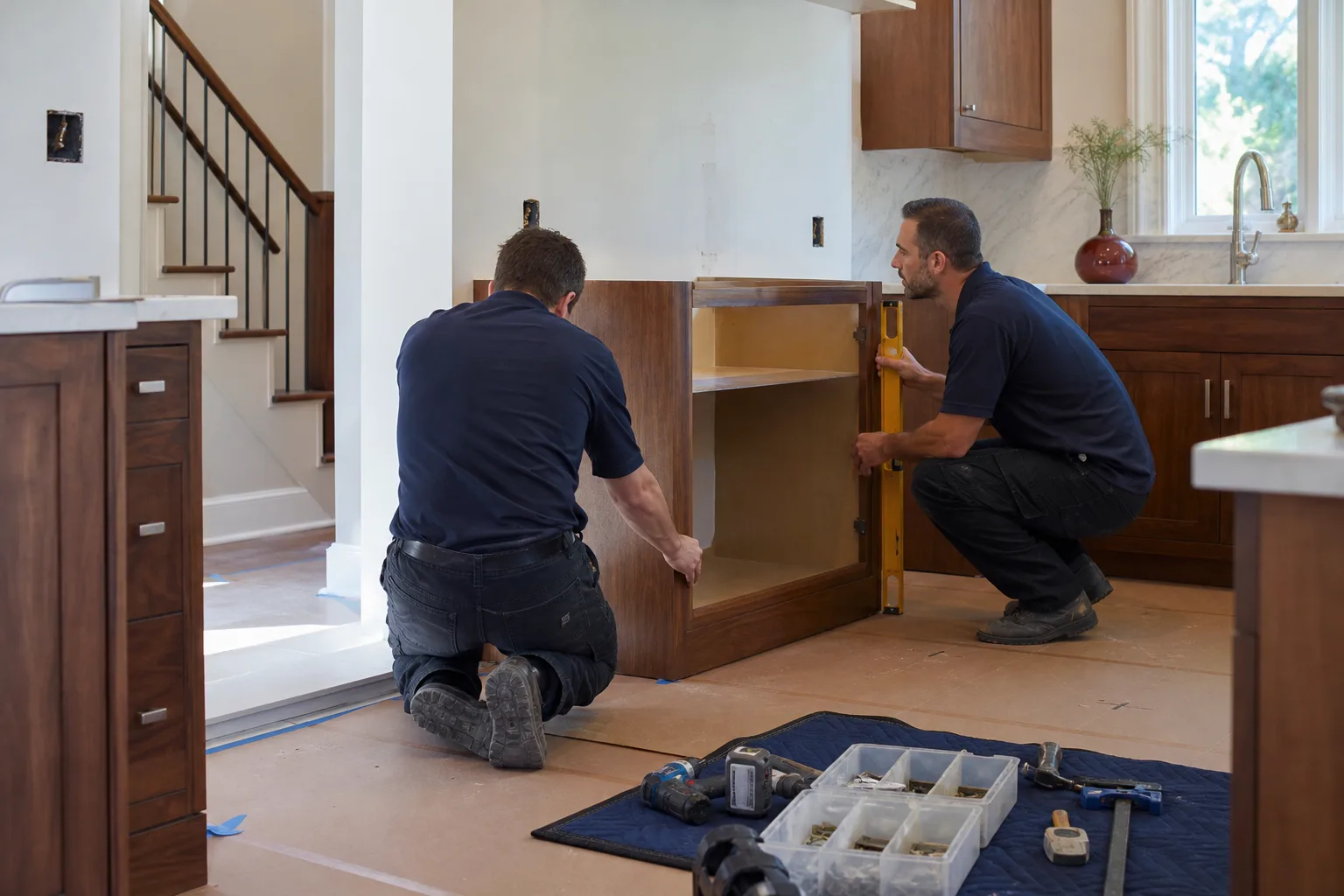
Caesarstone quartz should last 20 to 30 years or more in a Los Angeles addition or ADU if it’s installed over leveled cabinets with a proper substrate. The slab itself won’t wear out; what fails first is almost always the support underneath it or the seam at a stress point, so the lifespan is really a function of the install quality, not the stone. Call (213) 277-6578 for an exact quote on your Caesarstone project, estimates are free.
Small cracks and chips in Caesarstone can often be repaired with color-matched epoxy and blended to near invisibility, but structural cracks from settling or failed supports usually mean the section or the whole slab needs to be replaced. If your Los Angeles addition has a cracked Caesarstone top, we’ll send someone out to assess whether it’s a repair or a replacement, and you’ll get a written quote either way. Call (213) 277-6578 and a real person will pick up.
Once your Los Angeles addition or ADU is dried in and cabinets are set, templating takes one visit, fabrication takes 5 to 10 business days depending on the shop schedule and edge profile, and installation is usually a single day for a standard kitchen. If we’re building the whole addition, we schedule the Caesarstone work into the overall timeline so you’re never waiting on an empty kitchen. Call (213) 277-6578 for a project schedule and a written price.
We stock and source Caesarstone slabs through our Los Angeles suppliers, so you don’t have to buy your own material and hope it arrives undamaged. We’ll bring you to the slab yard to pick the exact one you want, and we handle delivery, fabrication, and installation as part of the project. Call (213) 277-6578 to talk through slab options and get a free estimate.
Written by Trevor Nash, Owner, Penhallow Remodeling Los Angeles at Penhallow Remodeling Los Angeles, serving Los Angeles and nearby areas.


