

Free written scope consultation - allowances, timeline, and change-order rules on paper before a single trade is scheduled
Boxabl Home Additions & ADU: The Los Angeles Owner’s Guide
If you own a Boxabl in Los Angeles and you’re planning a home addition or ADU, you’re likely discovering what we see on walkthroughs every month: the unit arrives engineered tight, but the expansion work is where things get complicated. We’re Penhallow Remodeling Los Angeles, and we handle Boxabl additions and ADU projects with a written price before any work starts and a 365-Day Done Right Promise on the finished job. Typical Boxabl home addition work in Los Angeles runs $53,100 – $153,400 depending on scope, site conditions, and how much of the unit’s existing structure has to come apart to make the connection work.
Here’s the pattern we see: an owner buys the Boxabl, units get set, utilities get connected, and then someone starts talking about adding a bedroom, attaching a garage, or building a full ADU next to it. The original manufacturer warranty covers the factory build. It does not cover what happens when you cut into a wall panel, reroute the mechanical lines, or tie a new foundation to the existing chassis. That’s where a local contractor who knows Los Angeles soil, seismic requirements, and the way Boxabl panels actually fasten together becomes the difference between a clean addition and a six-figure regret.
We are an independent remodeling contractor. We’re not affiliated with Boxabl, and we don’t pretend to be. What we do is inspect the unit, tell you honestly whether your addition makes sense, and put the full number on paper before we touch a panel.
Which Boxabl Models This Applies To
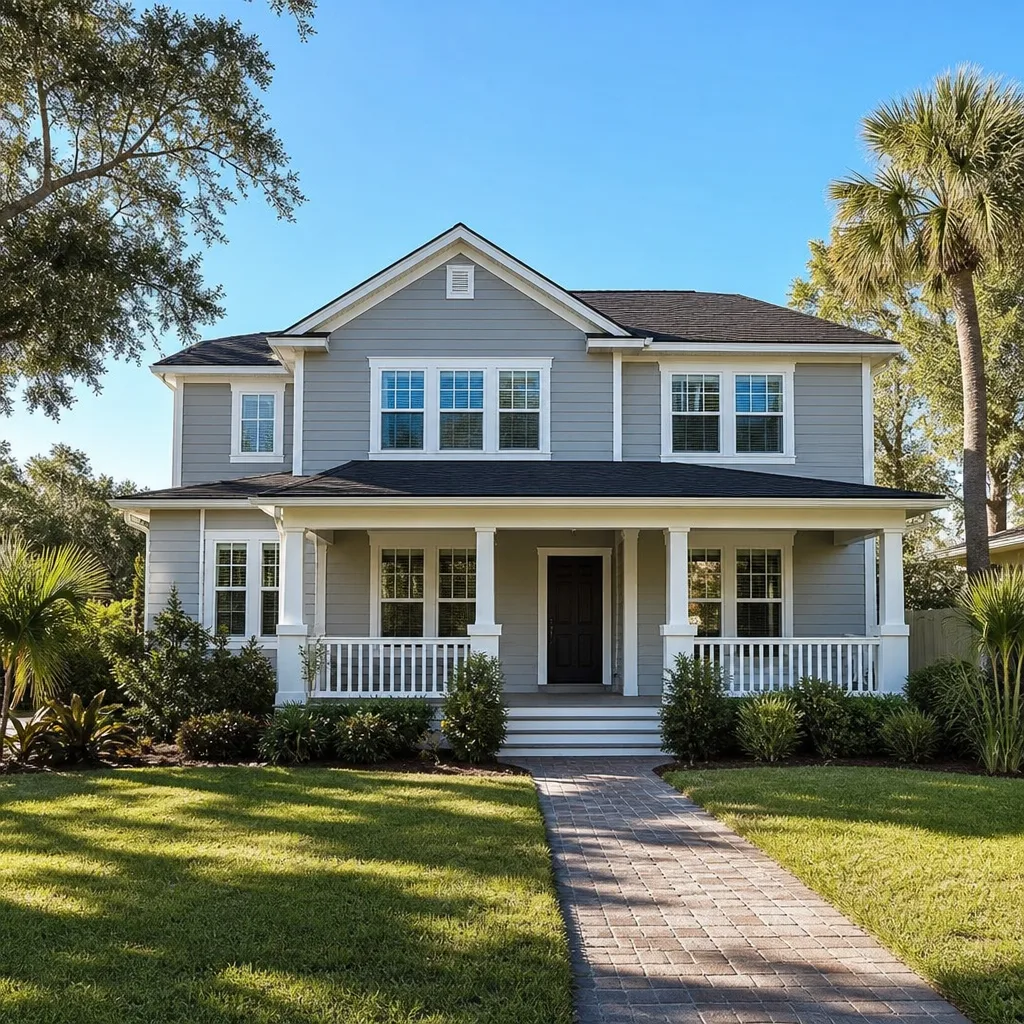
Boxabl’s current production units, primarily the Casita and the larger building-block configurations, share the same fundamental panel system: laminated structural panels that lock together with steel fastening points along the corners and roofline. That’s a different animal than stick-framing, and it matters for additions because you can’t just nail a new wall into the side of the unit and call it done.
The compatibility question we answer most in Los Angeles is whether the addition ties into the Boxabl as a structural connection or as an attached but independent structure. A truly integrated addition, meaning you open a wall panel and the new space shares the unit’s roofline and mechanical systems, requires matching the panel’s structural load path. That’s doable, but it’s not a handyman job. A detached ADU built next to the Boxabl is far simpler: the two structures never share framing, and the only connection points are utilities and a walkway.
For Boxabl specifically, we recommend a detached ADU approach unless the addition is planned before the unit ships. Retrofitting an integrated addition into an already-placed Boxabl costs more than the same square footage added to a stick-built home because every structural connection has to be engineered to the panel system’s existing fastening points, not just to the studs. We’ve quoted both, and we’ll walk you through the numbers side by side so you can decide with your eyes open.
Styles & brands we work with







Signs Your Boxabl Home Additions & ADU Is Failing
If your addition or ADU was done poorly, the symptoms show up fast. Here’s what we find on inspection calls around Los Angeles:
- Gap opening where the addition meets the Boxabl wall. This is the most common failure we see. The addition’s framing was fastened to the panel without an engineered connection detail, and Los Angeles temperature swings, which run 20 to 30 degrees daily in summer, expand and contract the two structures at different rates. The caulk fails, the gap widens, and water gets in.
- Cracks running down the interior drywall at the seam line. This usually means the addition’s foundation is settling separately from the Boxabl’s chassis. Different support systems, different movement. In Los Angeles, where some neighborhoods sit on expansive clay soil that heaves with the rainy season, that differential movement can crack a connection seam open in under a year.
- Water staining on the ceiling near the roofline tie-in. A roof junction between a panel-built structure and a framed addition needs flashing done exactly right. When someone skips the transition flashing or caulks where they should have used a metal break, the first real rain season finds the leak. We’re on our third or fourth rainy season of repairing exactly this.
- Doors or windows in the addition that stick, bind, or won’t latch. Movement in the connection between the two structures transfers to the framed openings. If the addition was built tight to the Boxabl but the two aren’t moving together, the doors jam at the strike plate or the window sashes bind in the frame.
- Electrical flicker or dead outlets in the addition when the Boxabl’s systems are running. A poorly done subpanel tie-in to the unit’s main feed can cause voltage drop, especially when the AC cycles. We’ve opened walls to find wire nuts buried behind drywall, no junction box, and undersized conductors running a bedroom and a bathroom off one 14-gauge run.
See the difference
 Before
 After
After Before
 After
After Before
 After
AfterReplacement Cost & What’s Included
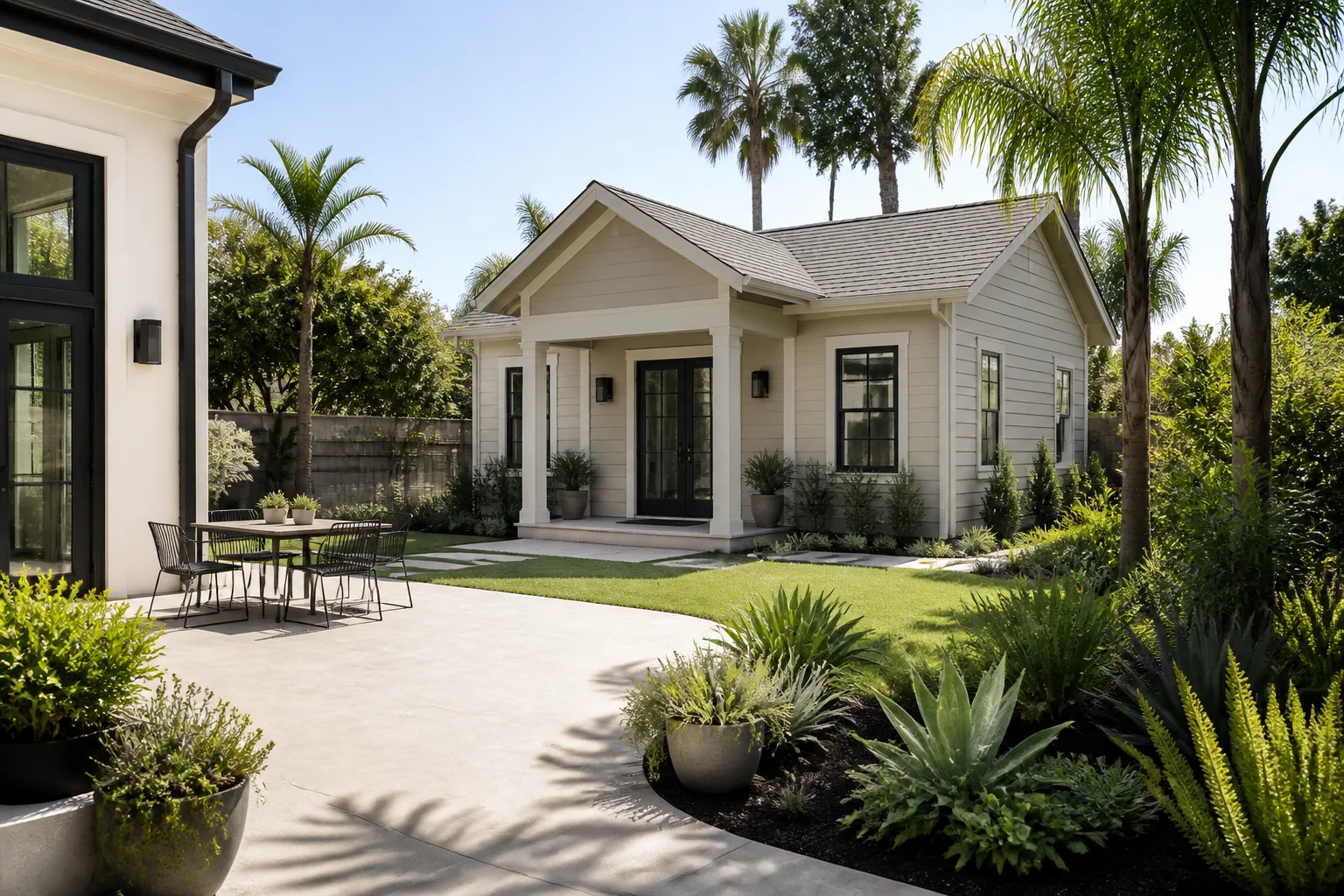
Boxabl home addition and ADU work in Los Angeles covers a wide range because the scope varies so much. Here’s the breakdown we give clients before we ever walk the site, and it holds up after we do:
- Home addition attached to an existing dwelling, including Boxabl connection work: $53,100 – $153,400
- Full ADU construction as a separate structure: $106,200 – $259,600
- Garage conversion to living space, when the garage is adjacent to a Boxabl: $35,400 – $94,400
What moves the number up or down: whether you need an engineered structural connection detail, whether the addition ties into the Boxabl’s roof or stands as its own roofline, foundation type (slab on grade is standard in most of Los Angeles; pier and beam runs higher), the wiring run from the unit’s electrical feed to the addition’s subpanel, and finishes. A bathroom in the addition adds real cost, and so does any kitchenette work.
Every quote we write includes the parts, the labor, the permits, and the written 365-Day Done Right Promise. If the connection seam opens, the roof tie-in leaks, or the drywall cracks at the junction inside the guarantee period, we come back and fix it at no charge. That’s not a verbal commitment. It’s in the contract.
DIY or Call Us?
If your Boxabl is already placed and you’re trying to figure out whether the addition or ADU can be tackled without a contractor, here’s the honest answer. Some prep work is fine to do yourself: clearing the site, marking utility lines with DigAlert (that’s the free 811 service in Los Angeles), and pulling the Boxabl’s original delivery documentation so we can review the panel layout. Those things save you money and cost us nothing.
What you should not do yourself is any work that involves cutting into a structural panel, lifting the unit, or modifying the electrical feed. The panels are load-bearing and under tension in ways that aren’t obvious until they aren’t. Cutting the wrong panel can compromise the unit’s roof structure. Modifying the electrical system without a plan review and a permit fails inspection in Los Angeles, and a failed inspection means redoing the work anyway. One of our technicians can walk the site, explain what we’re seeing, and give you a written number before any tools come out. That’s how we do it. Give you a number first, then pick up the tools.
FAQs
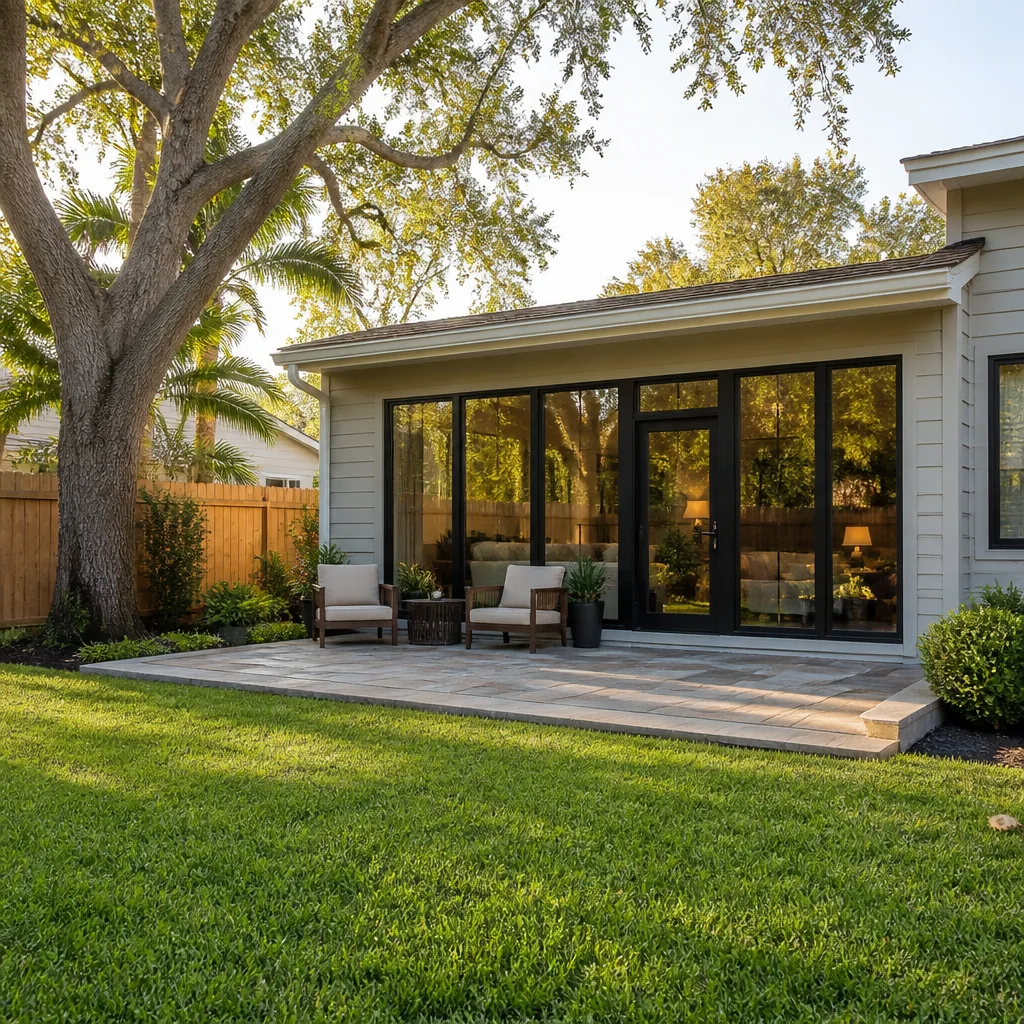
Most Boxabl addition projects in Los Angeles take 8 to 16 weeks from the day permits are issued, depending on whether the addition is attached or detached and whether it includes plumbing. The permit phase itself typically runs 4 to 10 weeks in Los Angeles, which is often the longest lead time item on the schedule. Call (213) 277-6578 and we’ll give you a realistic timeline for your specific scope.
Yes, in most cases a failing connection seam, a leaking roof tie-in, or a cracked junction wall can be repaired without tearing down the addition. We open the affected area, assess the structural connection, install the proper engineered detail, and refinish the interior. If the repair is done under our guarantee and fails within the year, our second visit is free.
Yes. We pull the permits in Los Angeles for the addition or ADU work, schedule the inspections, and stay on site until the final sign-off. Boxabl units that were permitted as factory-built housing still require a separate permit for any addition that ties into the unit, and we handle both the structural and electrical plan review.
We stock the structural connection hardware, flashing, and framing materials needed for Boxabl additions, and we source panel-compatible fastening components directly from the same trade manufacturers we use for every job on our other remodeling lines, including brands like KraftMaid, Cambria, and Silestone for the finish work. For anything Boxabl-specific that isn’t in stock, we order it ahead of the start date so we’re not waiting on parts mid-project.
Written by Trevor Nash, Owner, Penhallow Remodeling Los Angeles at Penhallow Remodeling Los Angeles, serving Los Angeles and nearby areas.


