

Free written scope consultation - allowances, timeline, and change-order rules on paper before a single trade is scheduled
Atlas Home Additions & ADU: The Los Angeles Owner’s Guide
If you have an Atlas-built home addition or ADU and something has gone wrong, we can help. We match Atlas framing dimensions, finish specs, and connection details, and we install the repair or replacement properly. A typical Atlas home addition repair or rebuild in Los Angeles runs $53,100 – $153,400 depending on square footage, structural condition, and finish level. Most owners discover the failure through water staining, drywall cracking at the roofline tie-in, or a door that suddenly won’t close square. We are an independent contractor, not affiliated with Atlas, but we know their build patterns well.
Which Atlas Models This Applies To
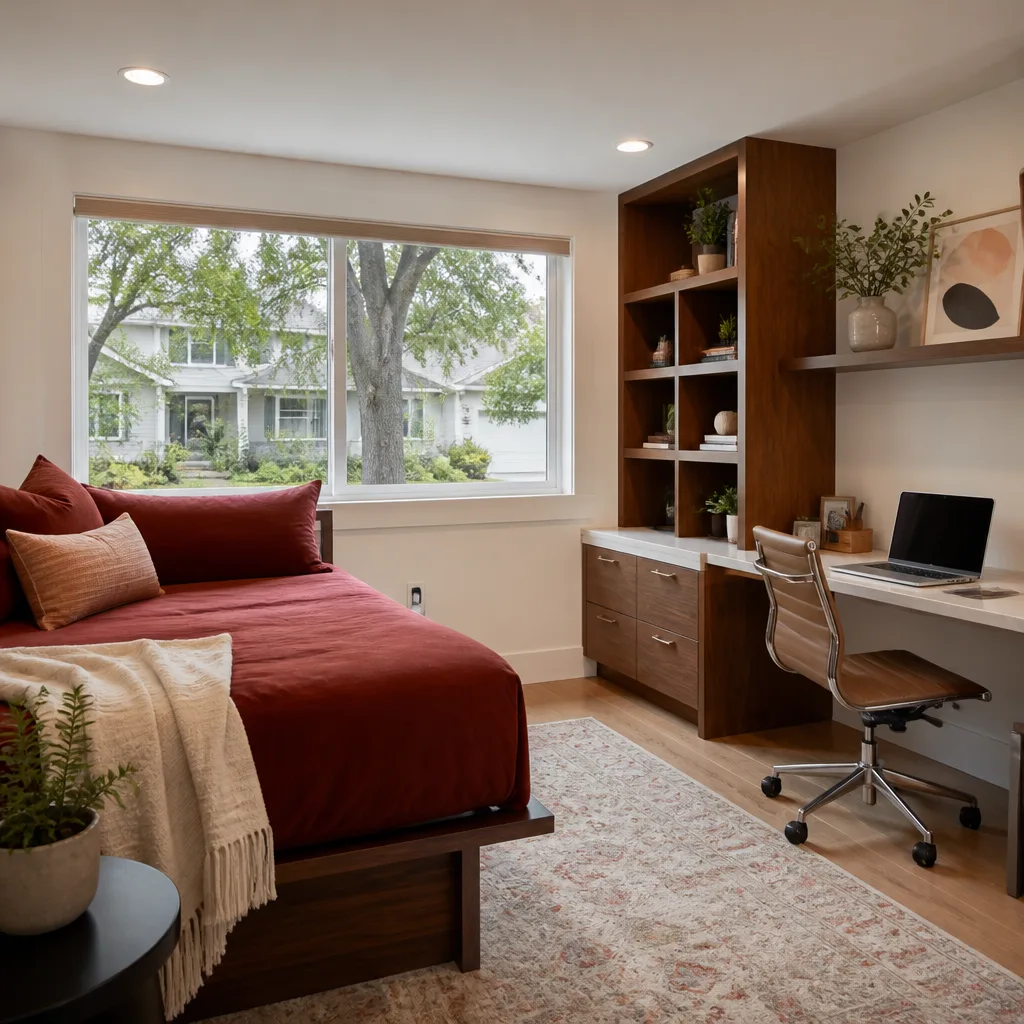
Atlas has built several addition and ADU series across Los Angeles over the years, and the failure points tend to follow the series. The most common Atlas projects we see are detached rear ADUs with stucco exteriors, gable roofs, and aluminum-frame windows, plus single-story room additions tied into older stucco homes from the 1940s through 1970s. The key to matching parts is not the model name on a sticker. It’s the wall thickness, roof pitch, and how the addition was flashed to the main house. Atlas often used 2×4 framing at 16-inch centers with a standard 4:12 roof pitch on ADUs, while some larger additions went 2×6. Bring us a photo of the framing if the wall is open, or let us measure the roof overhang and fascia size. That tells us more than a model number ever will.
On the OEM versus aftermarket question: for structural components like rim joists, roof trusses, or shear wall panels, we always match the original Atlas framing spec. You don’t swap a structural member for a lighter one to save money. For finish materials like siding, trim, and baseboard, a quality aftermarket equivalent often outperforms the original, especially in Los Angeles sun exposure. We work with James Hardie siding as an upgrade over original wood lap wherever the original has started to rot or warp, and we pair it with the same dimensions so the reveal lines match from old to new.
One compatibility gotcha: Atlas additions built before roughly 2010 often used a specific stucco wire lath pattern that’s no longer common. If we’re tying new stucco into existing stucco, the mesh gauge and overlap depth have to be matched or the patch will crack at the seam within a year. We check that every time. Another Los Angeles-specific reality: UV and dry heat break down exterior caulk and flashing sealant faster than the manufacturers’ lifespan claims suggest. We see original Atlas roof-to-wall flashing failing at 10 – 12 years here, not the 15 – 20 years listed in product literature.
Styles & brands we work with







Signs Your Atlas Home Additions & ADU Is Failing
- Cracks at the roofline tie-in where the addition meets the main house. This is usually differential settling. The main house finished settling decades ago; the addition’s footing may still be moving. The crack opens and closes with the seasons, which is why caulk alone never fixes it for long.
- Water staining on the ceiling near the exterior wall. On Atlas additions, this is most often failed flashing at the roof-to-wall intersection or a cracked stucco parapet cap. Los Angeles gets most of its rain in a few short months, so the leak is often dormant and the stain is the only evidence until the next big storm.
- Doors or windows that bind, stick, or won’t latch. When the header over the opening wasn’t sized right or the foundation is shifting, the opening goes slightly out of square. In a newer ADU this points to a structural issue that needs a real diagnosis, not a sanding block.
- Drywall cracks running diagonally from window or door corners. These are stress cracks. They mean the wall is moving where it shouldn’t. On Atlas ADUs with the older stucco system, the crack often forms outside first, then telegraphs through to the interior.
- Musty smell in the ADU that never quite goes away. That’s trapped moisture, usually from a slow plumbing leak at a wall penetration or poor ventilation at the foundation. The smell is the giveaway; the source can be anywhere along the wall plate.
See the difference
 Before
 After
After Before
 After
After Before
 After
AfterReplacement Cost & What’s Included
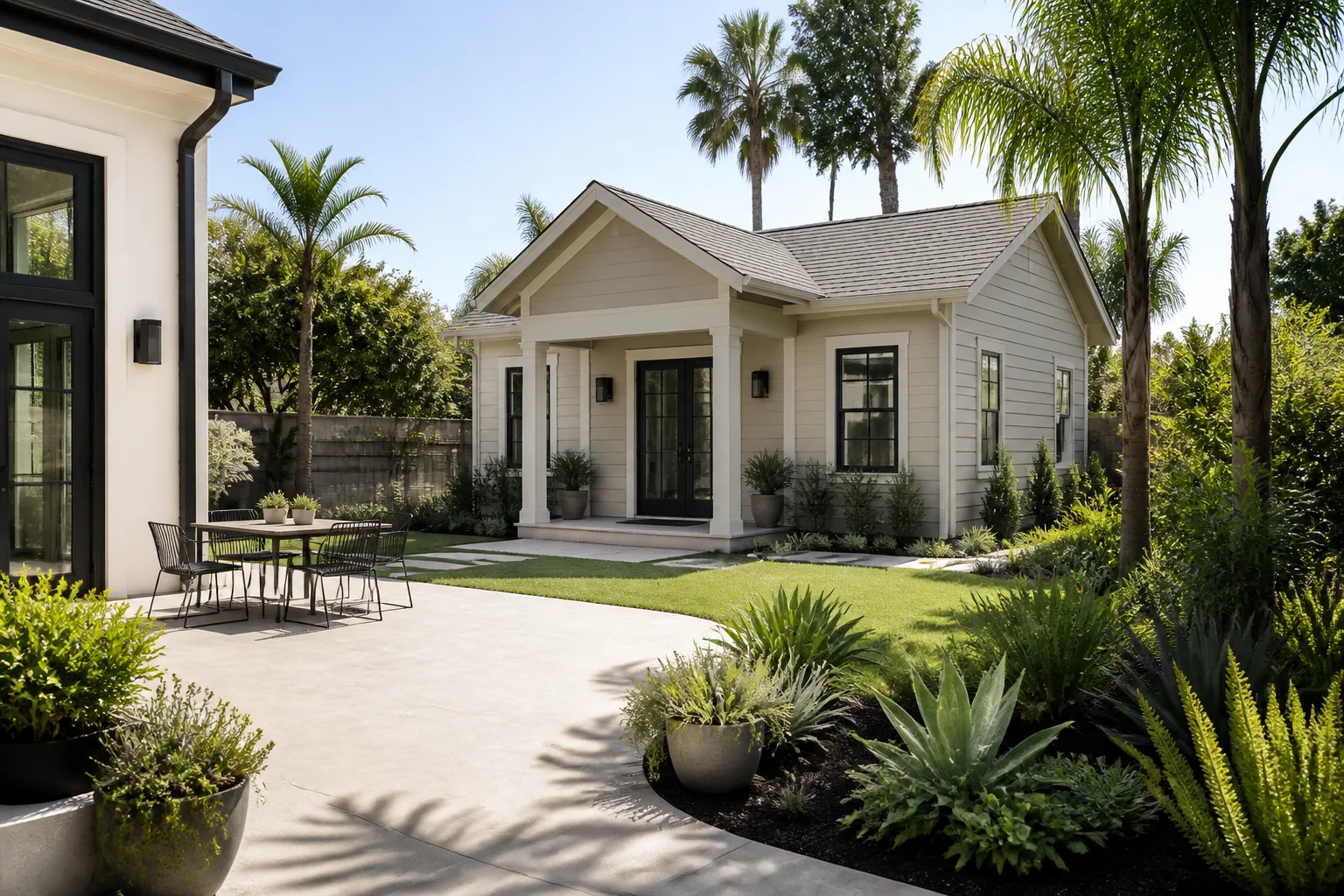
A full Atlas home addition replacement or rebuild in Los Angeles typically runs $53,100 – $153,400. Smaller, targeted structural repairs, like reframing a failed header or replacing a section of rotted bottom plate, often land between $4,700 and $15,300 depending on how much wall has to be opened and what’s found underneath. ADU construction from scratch runs $106,200 – $259,600, but that’s a full build, not a repair.
What drives the price up or down on a repair: how much of the original framing is still sound, whether the electrical or plumbing rough-in is still code-compliant, how much drywall has to come out to reach the problem, and what finish materials need replacing. We write the price before we start, and we give you a line-item breakdown so you see exactly where the money goes. If we open a wall and find the framing is worse than we estimated, we stop and call you with a revised written number before going further. You never get a surprise invoice at the end. And every job carries the 365-Day Done Right Promise: if something we touched fails within a year, we come back and make it right at no charge. That’s in writing.
DIY or Call Us?
There are things you can safely check yourself: look for ceiling stains after a heavy Los Angeles rain, run your hand along the wall-to-ceiling joint for new cracks, and watch whether doors are sticking in humid versus dry weather. That information helps us diagnose the problem faster. But structural work on a home addition or ADU is not a DIY project. You’re dealing with load-bearing connections, roof loads, shear requirements, and building code that changed since your Atlas addition was built. The work requires a permit in Los Angeles, and an inspector is going to look at the framing before the drywall goes back up. If you get it wrong, you’re not just patching a crack; you’re potentially weakening the entire addition. Trevor Nash studied at Los Angeles Trade-Technical College and has worked residential and light commercial jobs across the Basin for nearly two decades. We’ve opened enough walls to know what hidden damage looks like, and we’d rather come look at it before you start pulling drywall yourself. Call (213) 277-6578 and we’ll walk through it with you.
FAQs
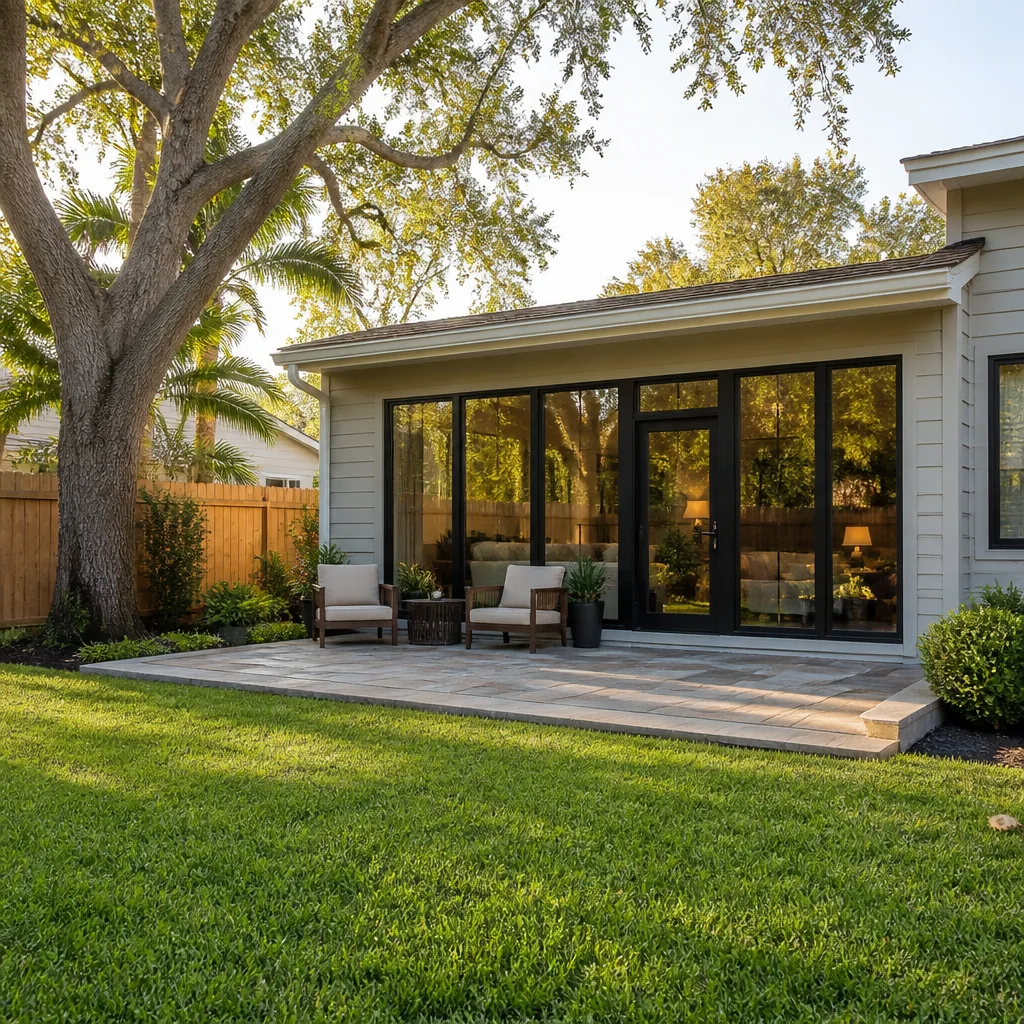
A well-built addition or ADU should stand for 50+ years, but the original Atlas components fail at different times. Flashing and weather sealing go first, usually around 10 – 12 years in Los Angeles sun exposure. Framing should last decades unless water has been getting into it. Finish materials like siding, drywall, and trim typically need attention every 15 – 20 years, sooner if water intrusion has been happening quietly.
In most cases, yes. We only recommend full replacement when the structural framing is compromised beyond point repairs or when the cost of repairs approaches the cost of rebuilding. A cracked drywall seam or failed flashing is a targeted repair. A rotted bottom plate that runs the full length of the wall is usually a section replacement. We’ll show you photos of everything we find and explain the options with honest numbers before you decide. Call (213) 277-6578 for an exact assessment.
A typical flashing repair or header replacement takes 2 – 5 days. A larger structural repair that involves opening multiple walls, reframing, and refinishing can take 2 – 3 weeks. A full addition rebuild can run 3 – 6 months depending on scope and Los Angeles permit timing. We give you a written schedule and a real arrival window before we start, and we stick to it.
We stock the common installation materials on our trucks: flashing, framing hardware, structural connectors, and standard trim profiles. For Atlas-specific finish materials or specialty components, we source them to match your existing dimensions, which usually takes 1 – 3 days. We also work with materials from KraftMaid, Cambria, and Silestone when cabinets or countertops are part of the repair. If we can’t get an exact match, we’ll tell you before we order anything.
If your Atlas home addition or ADU is showing cracks, stains, or sticking doors, don’t wait for the next rain to find out how bad it is. Call us at (213) 277-6578 for a free estimate. We’ll give you a number first, then pick up the tools.
Written by Trevor Nash, Owner, Penhallow Remodeling Los Angeles at Penhallow Remodeling Los Angeles, serving Los Angeles and nearby areas.


