


Free written scope consultation - allowances, timeline, and change-order rules on paper before a single trade is scheduled
American Standard Home Additions & ADU: The Los Angeles Owner’s Guide
If you’re planning a home addition or ADU and want American Standard fixtures and fittings specified throughout, we can help. Penhallow Remodeling Los Angeles is an independent general contractor, not affiliated with American Standard, but we regularly install their tubs, toilets, faucets, and sinks in additions across Los Angeles. Typical full home additions run $53,100 – $153,400, while a complete ADU construction generally falls between $106,200 and $259,600, depending on size, site conditions, and finish level.
Homeowners usually reach out when they’re mid-planning and realize their contractor handed them a fixture allowance that won’t actually cover the American Standard products they want, or they’ve had a previous addition where cheap off-brand fixtures failed within a year. That’s the conversation we’re ready to have. With a written price before we start and the 365-Day Done Right Promise behind the work, you’ll know exactly what the number is before a single wall goes up.
Which American Standard Models This Applies To
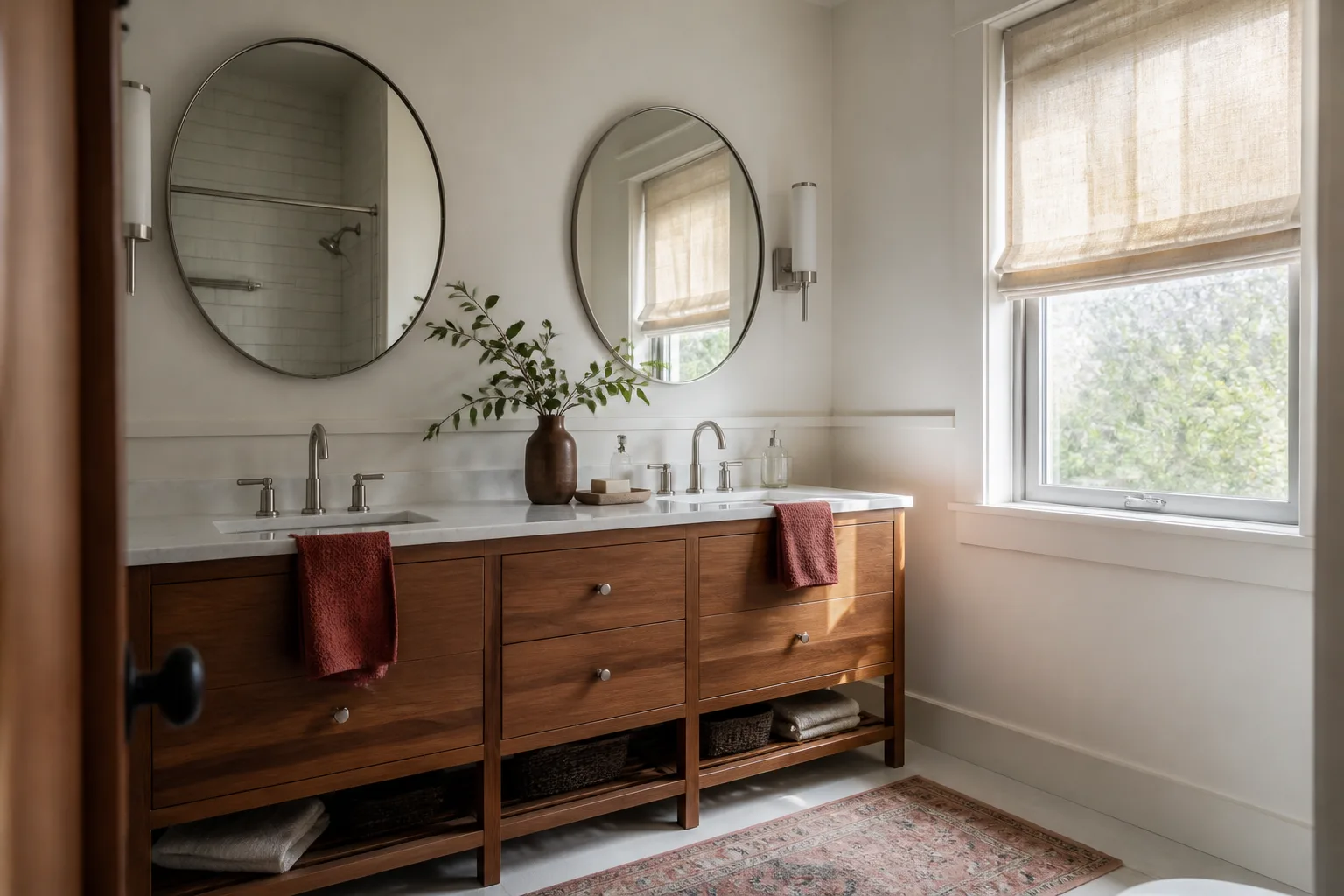
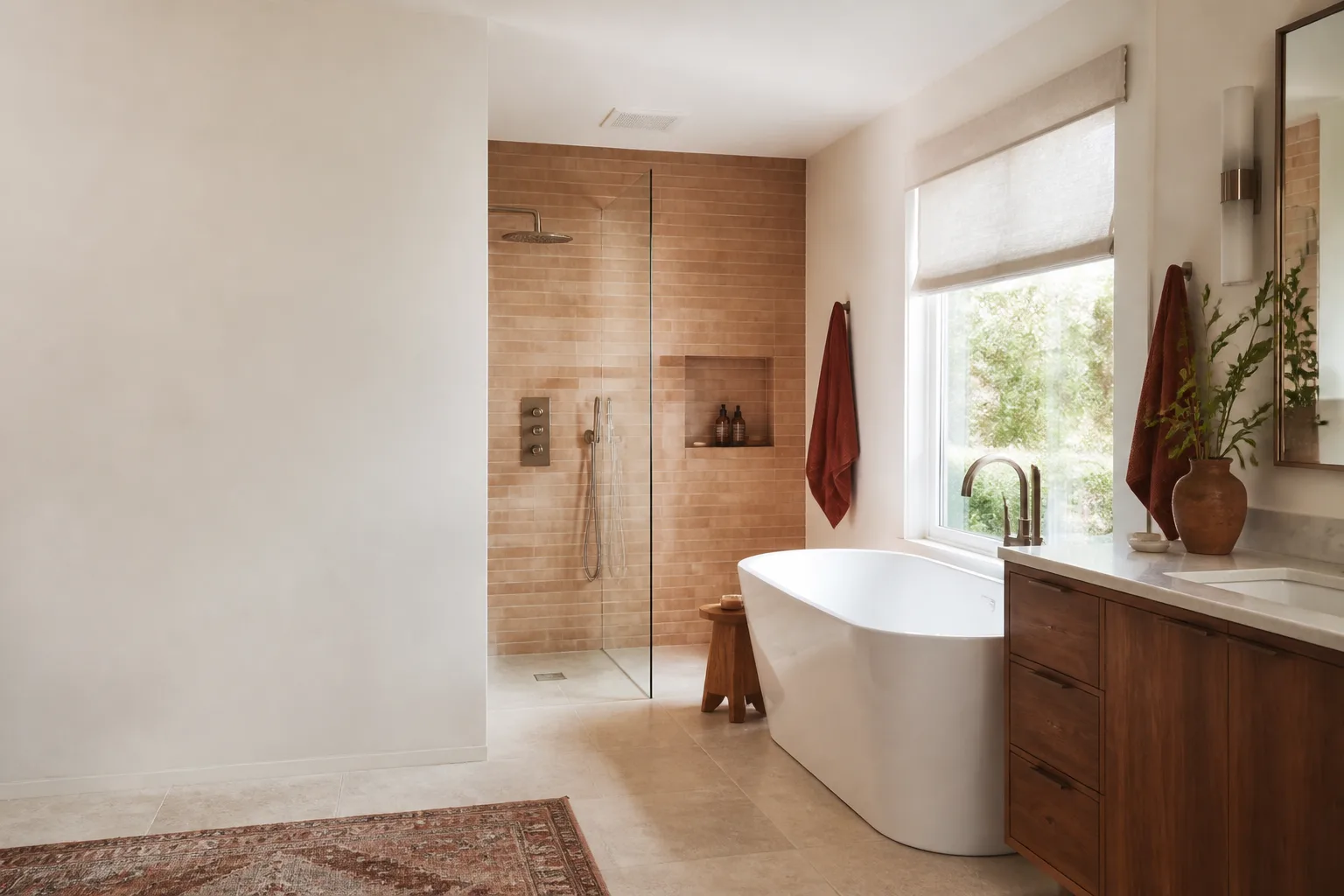
American Standard doesn’t make a single “home addition” product line, so what we’re really talking about is specifying their fixtures across the new space. That includes the Studio, Town Square, and Colony collections for bath and kitchen faucets, the Champion and Cadet toilet lines, and their Americast tubs, which weigh about half what cast iron does while holding heat nearly as well. That weight difference matters in Los Angeles additions, especially on raised foundations in neighborhoods like Mar Vista or Westchester, where floor joists weren’t originally sized for cast-iron loads.
One compatibility gotcha we see often: American Standard’s faucet rough-ins aren’t always interchangeable with off-brand valves, so if the plumbing rough-in was ordered around a cheaper valve body, you can’t just swap in an American Standard trim kit later. You need to know this before the walls are closed. We specify the exact model numbers at rough-in stage, write them into the contract, and verify them again before drywall goes up.
For OEM versus aftermarket, American Standard’s own parts are generally worth the cost on anything with moving seals, cartridges, or flush mechanisms. Generic aftermarket cartridges often fit “close enough” and leak within a year. We’ll install what you buy, but our written recommendation always leaves the room favoring OEM on anything water-bearing.
Styles & brands we work with







Signs Your American Standard Home Addition or ADU Is Failing
- Water pressure drops noticeably when more than one fixture runs. This usually means the supply lines are undersized for the new square footage. A Los Angeles ADU behind a 1950s-era main line in Leimert Park will often need a dedicated supply run, not a tee off the existing house feed.
- Floor tile cracks along the new-to-old transition line. Additions settle differently than the original structure. Without a proper movement joint or correctly installed isolation membrane at that seam, cracked tile shows up within the first year. We’ve fixed enough of these in the San Fernando Valley to know it’s one of the most common post-build failures.
- Doors in the new addition stick or won’t latch by late summer. Wood framing moves with humidity cycles. Los Angeles doesn’t get humid like Houston, but the swing between dry Santa Ana conditions and coastal moisture near Playa del Rey is enough to shift a poorly framed doorway. Proper rough-opening sizing and reveal clearance prevents this.
- You hear water running inside walls when nothing is on. That’s a leak at a rough-in connection, likely a failed soldered joint or a supply line fitting that wasn’t tightened to spec. If you hear this, shut off the water at the main and call us. Water inside a Los Angeles addition’s double-drywall assembly becomes mold faster than most people expect.
- The ADU never feels warm enough in winter. Southern California code requires certain insulation minimums, but cheap fiberglass batts installed in a hurry, or skipping air-sealing at the top plates, leaves the space drafty. A properly insulated and sealed ADU should hold temperature with a modest mini-split, not run the heat constantly in December.
See the difference
 Before
 After
After Before
 After
After Before
 After
AfterReplacement Cost & What’s Included
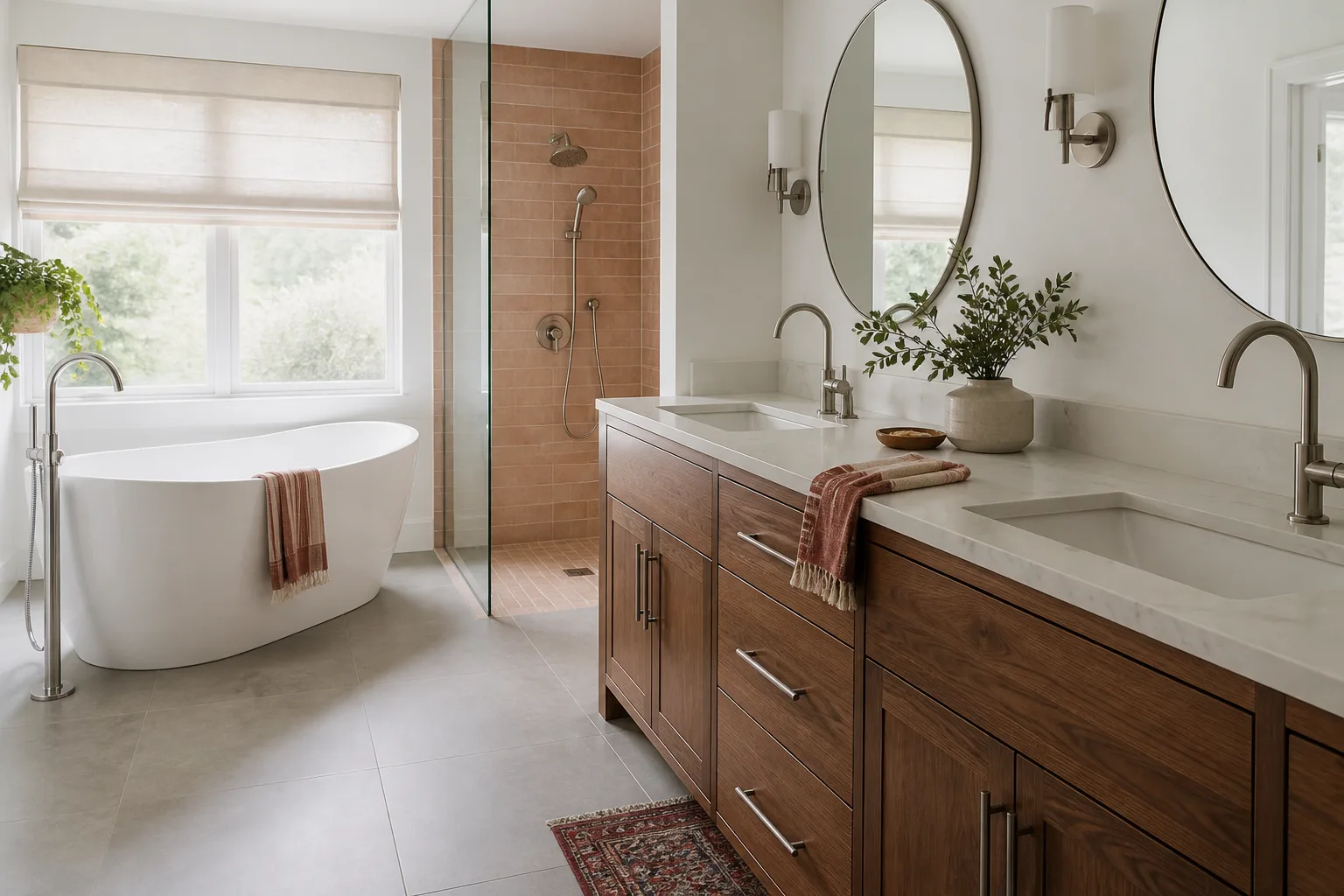
Here’s where honesty saves everyone time. A home addition in Los Angeles runs $53,100 to $153,400. An ADU runs $106,200 to $259,600. The spread comes down to three things: square footage, foundation type, and finish level. A post-and-beam addition on a slope in Echo Park costs more than a simple ground-floor bump-out in Torrance. A detached ADU with its own electrical panel, sewer lateral, and kitchen costs more than a garage conversion that already has a slab and some wiring in place.
What you get from us, in writing, before work starts: a line-item scope, the exact American Standard model numbers we’ll install, the material allowances by brand (cabinets from KraftMaid or Wellborn, countertops from Cambria or Silestone, fixtures from American Standard, Kohler, or Moen), and a fixed price that doesn’t move unless you change the scope. Our 365-Day Done Right Promise covers the workmanship. If something fails inside a year, we come back and make it right. No charge, no re-inspection fee, no argument.
DIY or Call Us?
You can absolutely handle some early-stage work: measuring existing rooms, pulling property setbacks from the Los Angeles Department of Building and Safety website, or gathering American Standard spec sheets you like. But when it comes to framing, electrical, plumbing rough-ins, or tying a new roof into an existing one, this isn’t a YouTube project
Give you a number first, then pick up the tools. That’s the order we’ve always worked in. If you’re thinking about an addition or ADU with American Standard fixtures, call us at (213) 277-6578 for a free estimate. Trevor Nash and the team will walk the site, ask about your goals, and come back with a written number you can hold us to.
FAQs
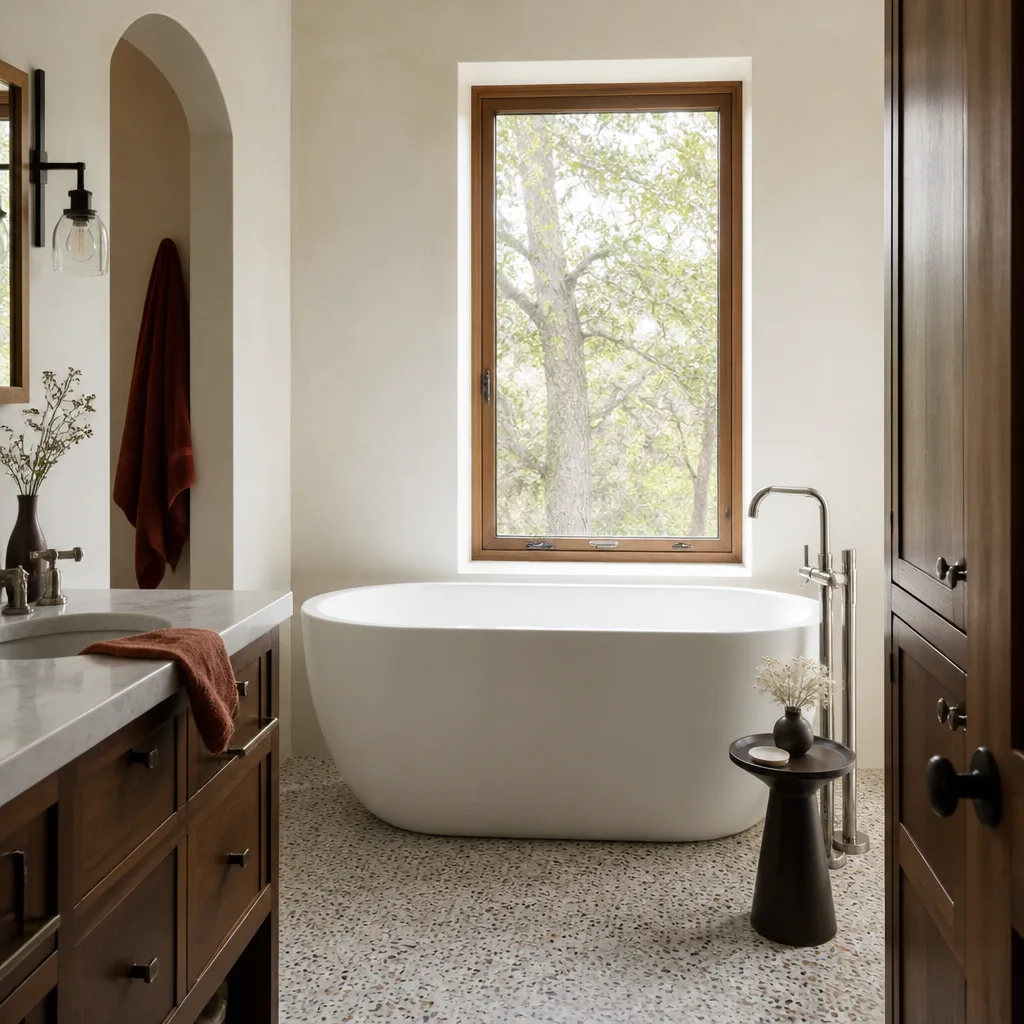
With proper installation and Los Angeles water conditions (hard water in many neighborhoods shortens cartridge life), expect American Standard faucets and toilets to last 15 – 20 years before any meaningful repair, and tubs to outlast the house itself. Call (213) 277-6578 if you’re replacing fixtures in an existing addition and want an honest read on what’s salvageable.
Most problems we see, like cracked transition tile, sticking doors, or a leaking rough-in, are repairable without tearing the whole addition apart. The answer depends on what’s behind the wall. Call (213) 277-6578 for a free second visit if a previous contractor’s repair has already failed; we’ll tell you straight what needs to happen.
Plan on 4 – 8 months from permit submission to final inspection for a typical addition, and 6 – 10 months for a detached ADU. Los Angeles Department of Building and Safety plan-check timelines vary by district, and that’s before we pull a single permit. We include permit processing time in our schedule up front, so the written timeline matches reality.
We don’t stock bathroom-fixture parts on the truck, but we can source American Standard OEM cartridges, flush valves, and trim kits through our suppliers, typically within a day or two in Los Angeles. If you have a leaky faucet or running toilet in an addition someone else built, call (213) 277-6578 and we’ll get you sorted.
Written by Trevor Nash, Owner, Penhallow Remodeling Los Angeles at Penhallow Remodeling Los Angeles, serving Los Angeles and nearby areas.


