






Free written scope consultation - allowances, timeline, and change-order rules on paper before a single trade is scheduled
Silestone Kitchen Remodeling: The Los Angeles Owner’s Guide
Silestone kitchen remodeling in Los Angeles typically runs $16,520 – $53,100 for a full kitchen, with countertop-only work landing between $2,360 and $7,670 installed. Most homeowners call us after a seam separates, an edge chips down to the substrate, or a Silestone countertop cracks near the sink cutout where the quartz was already under stress. Here’s how to figure out what you’re dealing with, what it should cost, and whether it’s worth repairing or replacing.
If you’ve got a Silestone surface that’s failed, you’re probably past the point of polishing it out. A crack that’s caught a knife edge, a seam that’s opened up because the cabinet settled, or a burn mark from a hot pan set directly on the quartz. These aren’t cosmetic. They’re structural, and they get worse every time you wipe the counter down.
Key takeaways:
- Silestone is a quartz surface made by Cosentino, and most LA homes need either a seam repair, a section replacement, or a full countertop swap.
- We install and replace Silestone-compatible surfaces, but we’re an independent Los Angeles contractor, not a Silestone dealer or affiliate.
- Every job gets a written price before we start. The number we hand you is the number on the invoice.
Which Silestone Models This Applies To
Silestone has run through several series lines over the years, and the big gotcha is this: colors get discontinued. A homeowner with a 2012 Silestone White Zeus countertop who cracks a corner often can’t buy a matching slab. Cosentino rotates the palette, and what was everywhere ten years ago is now special order or gone. So before you plan a patch, check whether your color is still current.
Most Los Angeles kitchens we see carry one of three Silestone families: the classic Series (think White Zeus, Tigris Sand, or Blanco City), the Loft Series with its industrial concrete look, or the Sunlit Days collection with softer, matte finishes. Each has a slightly different resin percentage, which matters if you’re matching a repair to the original. The slab thickness also matters. Silestone typically runs 1.2cm, 2cm, or 3cm. If your countertop is 1.2cm with a laminated edge, a replacement section needs to be fabricated the same way or the edge profile won’t line up.
For a repair, always go with a genuine Silestone section when the color is still produced. If it’s discontinued, a quality aftermarket quartz that’s color-matched by a fabricator is the realistic route, and we’ll tell you plainly if the match will be close but not perfect. That’s the kind of thing nobody mentions until you’re staring at a seam that’s a shade off.
Styles & brands we work with







Signs Your Silestone Kitchen Remodeling Is Failing
- A hairline crack running from the sink cutout toward the front edge. The area between the sink rim and the counter edge is the weakest point on any quartz top, and in Los Angeles the seasonal expansion and contraction from dry heat to damp marine air stresses that narrow strip more than people expect.
- A seam that’s opened up and catches your fingernail. Cabinets settle, especially on raised foundations in older LA neighborhoods like West Adams or Studio City. When the base shifts, the seam takes the movement, and the adhesive bond breaks.
- A chipped edge, usually on a peninsula or island overhang. This is where hips and grocery bags hit. Quartz is hard but not indestructible, and a sharp corner chip exposes the resin and stone matrix underneath.
- A dull, etched, or cloudy spot that won’t polish out. Silestone is billed as non-porous, but harsh cleaners, oven degreaser overspray, or a hot pan can still damage the surface. Once the resin is compromised, the sheen is gone for good.
- Black or brown staining around a crack or seam. Liquid seeps in, dries, and leaves mineral deposits behind. That staining tells you the crack has been there a while, and it’s likely deeper than the surface.
See the difference
 Before
 After
After Before
 After
After Before
 After
AfterReplacement Cost & What’s Included
Here’s what Silestone kitchen work costs in Los Angeles right now:
| Scope | Installed Price Range |
|---|---|
| Full kitchen remodel with Silestone | $16,520 – $53,100 |
| Small kitchen remodel | $10,620 – $23,600 |
| Countertop installation (Silestone) | $2,360 – $7,670 |
| Kitchen island installation | $3,540 – $11,800 |
| Backsplash installation | $945 – $2,950 |
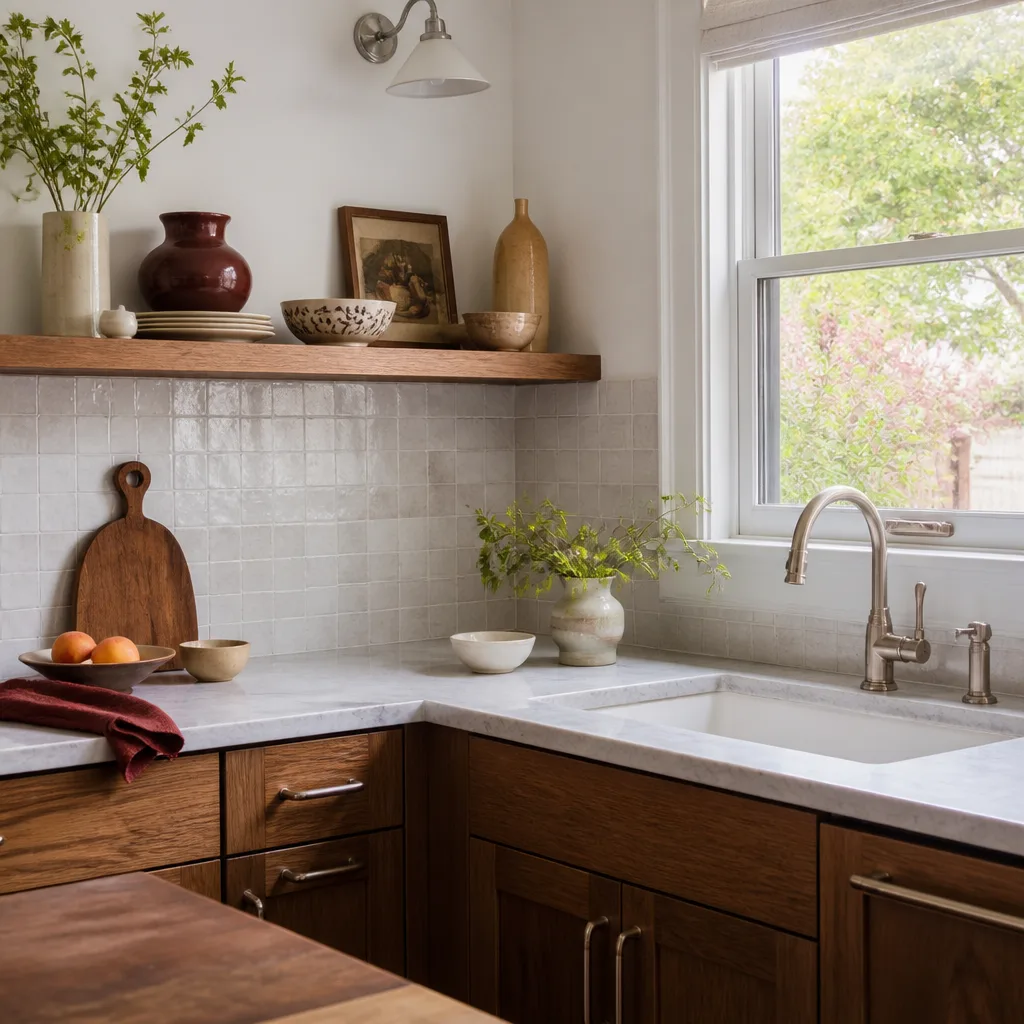
What drives the number: slab size and thickness, how many cutouts (sink, cooktop, faucet holes), the edge profile, and whether your cabinets need reinforcement before the stone goes down. We won’t drop a 3cm slab on cabinets that are sagging just to get the job done. The substrate has to be right or the countertop fails early, and that’s exactly the kind of shortcut that leaves you with a cracked corner in two years.
Every Silestone job from Penhallow includes the template, fabrication, install, and haul-away of the old surface. You get a written price before any work starts and a 365-day Done Right Promise on top of it. If the seam fails or the install isn’t right inside that year, we come back and fix it at no charge. No re-inspection fee, no service call charge.
DIY or Call Us?
You can safely check two things yourself. First, lay a straightedge across the counter and see if the surface is still flat. A hump or dip near a seam tells you the cabinets are moving. Second, look under the sink and check whether the countertop is supported by a full plywood substrate or just a rim of silicone. That tells us a lot about the original install quality before we ever walk in.
What you shouldn’t do is try to glue a seam back together or fill a crack with a repair kit from the hardware store. Quartz repair needs color-matched epoxy, vacuum clamping, and a wet polish to blend the repair into the surrounding stone. One wrong mix and you’ve got a yellowed streak across your countertop that’s harder to fix than the original crack. This is a job for a fabricator, not a weekend. Give us a call at (213) 277-6578 and we’ll come look at it, tell you what’s fixable and what’s not, and put a number in your hand before you decide anything.
FAQs
A properly installed Silestone countertop should last 20 to 30 years in a Los Angeles kitchen. The surface itself doesn’t wear out. What fails first is the install: seams opening, cabinets settling, or the wrong adhesive used under heat exposure near a range. We’ve pulled out 15-year-old Silestone that looked nearly new except for one seam that gave out because the base cabinet had dropped a quarter inch.
Yes, if the crack is linear, dry, and not near a sink cutout or cooktop opening. A clean crack can be filled with color-matched epoxy and polished flat. A crack radiating from a sink corner, or one that’s already stained, is structural. Repairing it is a temporary patch. In those cases we’ll quote the repair honestly and tell you if replacement is the better long-term money. Call (213) 277-6578 for a straight answer and a free estimate.
Plan on two to three weeks from template to install for a typical Los Angeles Silestone countertop replacement. The template visit takes about an hour. Fabrication runs five to ten business days depending on the shop’s schedule and whether the color is in stock locally. Install day is usually four to six hours, including haul-away of the old surface.
We don’t stock full Silestone slabs. We work with local Los Angeles fabricators who carry the current Cosentino line, and we source the specific color and thickness your kitchen needs after the template is cut. What we do bring on install day is everything for the job: adhesives, seam colorants, edge profiles, and the tooling to cut and polish on site. If you’re looking for a discontinued color, we’ll help you hunt down a matching remnant before you settle for a close-but-not-quite substitute.
Written by Trevor Nash, Owner, Penhallow Remodeling Los Angeles at Penhallow Remodeling Los Angeles, serving Los Angeles and nearby areas.


